Polygon menjalankan fitur minggu ini tentang Stars Reach, MMO sandbox baru dari Raph Koster, desainer di balik Ultima Online. Potongan itu mengingatkan banyak pemain UO jangka panjang bahwa mereka belum membuka game selama bertahun-tahun, meskipun server resmi masih berjalan dengan ritme tenang mereka sendiri. Kategori sandbox MMO telah mengubah bentuk sejak 1997, tetapi formula Ultima Online asli (kemajuan berbasis keterampilan, perumahan pemain, ketergantungan ekonomi penuh, duel sesekali di lapangan) tetap hidup di beberapa tempat.
Kami menguji 7 alternatif Ultima Online di Windows selama seminggu malam, mencari bagian-bagian dari UO yang pemain nyata lewatkan: kerajinan sandbox, PvP yang berarti, perumahan pemain yang benar-benar bertahan, dan perasaan bahwa dunia memiliki tekstur dan kejutan di luar catatan misi. Setiap pilihan di bawah dinilai berdasarkan bagaimana ia mempertahankan semangat UO asli daripada seberapa besar bos raidnya.
Perbandingan cepat
| Game | Terbaik untuk | Opsi gratis | Fitur unggulan |
|---|---|---|---|
| Stars Reach | Penerus spiritual terdekat dalam produksi | Akses pre-alpha | MMO pertama Raph Koster sejak UO |
| Mortal Online 2 | Full-loot hardcore PvP dan kerajinan | Tidak (berlangganan) | Sandbox PvP orang pertama dengan konsekuensi |
| Albion Online | Sandbox gaya UO yang mudah diakses dengan permainan musiman | Ya (free-to-play) | Full-loot PvP dengan bermain lintas platform |
| Wurm Online | MMO pembentukan dan kerajinan lahan paling mendalam | Ya (uji coba gratis) | Perubahan bentuk lahan dan struktur yang bertahan |
| Project Gorgon | Kebebasan keterampilan gaya UO dalam cangkang indie modern | Ya (demo gratis) | Tanpa kelas, hanya keterampilan, dan sistem aneh |
| EverQuest | MMO berorientasi grup asli masih berjalan | Ya (tingkat gratis) | Pertarungan lambat dengan permainan grup yang serius |
| RuneScape | MMO berbasis keterampilan yang tidak pernah berhenti diperbarui | Ya (tingkat free-to-play) | Puluhan tahun konten dengan ekonomi yang kuat |
Mengapa orang meninggalkan Ultima Online
Server UO resmi masih berjalan, tetapi populasi pemain cukup tipis sehingga beberapa shard bergantung pada ekosistem sumber daya komunitas kehidupan kedua untuk bertahan. Grafiknya menunjukkan usia mereka. Pengalaman pemain baru belum diperbarui secara signifikan selama bertahun-tahun, yang berarti mendarat di 2026 berarti membaca panduan forum sebelum Anda memahami kelas mana yang harus dituangkan. Bagi pemain jangka panjang, ini adalah bagian dari pesonanya. Bagi pemain yang kembali setelah satu dekade, ini adalah tebing yang mendorong mereka untuk mencari tempat lain.
Kesenjangan fitur sandbox adalah titik tekanan kedua. UO melakukan kemajuan berbasis keterampilan, perumahan pemain, dan ekonomi yang bermakna pada tahun 1997. MMO modern melakukan grafis, pertarungan yang lebih mulus, dan perpustakaan konten yang lebih luas. Beberapa alternatif di bawah mempertahankan semangat sandbox UO sambil menambahkan perbaikan kualitas hidup yang tidak pernah diterima asli.
Masalah ketiga adalah kain sosial. Daya tarik UO adalah bahwa setiap karakter adalah orang nyata yang tinggal di dunia, berdagang dengan Anda, dan mungkin merampok Anda. Ekosistem itu lebih sulit ditemukan sekarang, dan permainan yang menciptakan kembali itu duduk di ujung keras genre. Alternatif yang tepat tergantung pada apakah Anda menginginkan kepadatan sosial dan menerima aturan yang lebih keras, atau apakah Anda menginginkan cangkang yang lebih ramah.
7 alternatif Ultima Online terbaik untuk desktop
Stars Reach — penerus spiritual terbaik dalam produksi
Stars Reach adalah MMO pertama Raph Koster sejak UO dan pengembangan terbuka timnya telah menyiarkan pilihan desainnya di Twitch dan Discord sepanjang tahun. Sistem keterampilan paling dekat dalam genre ke UO, loop kerajinan menekankan spesialisasi dan ketergantungan, dan ekonomi yang didorong pemain adalah pilar inti bukan fitur samping. Pembangunan akses awal kasar tetapi sudah menunjukkan tulang-tulangnya.
Tempat yang jatuh pendek: Ini dalam pengembangan aktif. Harapkan tepi kasar, pengaturan ulang server, dan celah fitur. Karakter permanen belum dijamin.
Harga:
- Gratis: akses pre-alpha selama jendela pengembangan
- Berbayar: packs pendiri dan langganan eventual
- vs UO: nuansa modern dengan hutang yang lebih kuat terhadap ide asli UO
Unduh: starsreach.com
Garis bawah: Pilih Stars Reach jika Anda pergi dari UO bertahun-tahun yang lalu dan ingin berada di lantai dasar hal terdekat dengan penerus spiritual UO.
Mortal Online 2 — full-loot hardcore PvP terbaik
Mortal Online 2 adalah sandbox MMO orang pertama yang menjaga bagian-bagian UO yang dihapus oleh kebanyakan MMO modern. Full-loot PvP adalah garis dasar. Tidak ada panduan misi. Kerajinan benar-benar mendalam, dengan kualitas material dan ekologi pemasok nyata. Dunia terasa seperti itu milik pemainnya karena sebagian besar yang terjadi di dalamnya diputuskan oleh mereka.
Tempat yang jatuh pendek: Kurva pembelajaran adalah yang terdangkal dalam daftar ini. Dunia bermusuhan dengan desain. Pemain baru tanpa guild dihancurkan.
Harga:
- Gratis: tidak
- Berbayar: langganan bulanan
- vs UO: lebih modern secara grafis, bahkan lebih hardcore, kurang memaafkan
Unduh: mortalonline2.com
Garis bawah: Pilih Mortal Online 2 jika Anda pergi dari UO karena di mana-mana melembutkan aturan, dan Anda menginginkan sandbox yang tidak melakukannya.
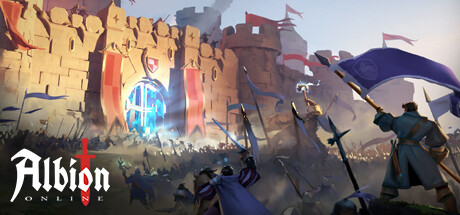
Albion Online — sandbox gaya UO paling mudah diakses
Albion Online adalah titik masuk termudah ke sandbox gaya UO di 2026. PvP full-loot ada di zona khusus. Ekonomi didorong pemain dari awal hingga akhir. Pohon keterampilan menggantikan kelas dengan Destiny Board yang memberi penghargaan spesialisasi sambil membuat respesialisasi mungkin. Bermain lintas platform dengan mobile dan klien desktop berjalan beriringan membantu populasi tetap sehat di jam-jam off-peak.
Tempat yang jatuh pendek: Pertarungannya lebih dekat ke action-RPG daripada pemosisian taktis UO. Beberapa sistem sandbox lebih sederhana dari yang diinginkan veteran UO puritan.
Harga:
- Gratis: free-to-play dengan langganan premium opsional
- Berbayar: langganan premium dan bundle kosmetik
- vs UO: orientasi yang lebih ramah, audiens yang lebih luas, kedalaman sandbox yang lebih kecil
Unduh: albiononline.com
Garis bawah: Pilih Albion Online jika Anda pergi dari UO dan menginginkan sandbox yang menghormati waktu Anda tanpa melembutkan inti yang didorong pemain di dunia.
Wurm Online — kerajinan dan pembentukan lahan terdalam terbaik
Wurm Online beroperasi dengan prinsip bahwa dunia milik Anda untuk dibentuk. Pemain memotong jalan melalui hutan, membangun kastil yang berdiri selama bertahun-tahun, membiakkan kuda, bekerja pertambangan, dan menghasilkan setiap item dari bahan baku. Hasilnya adalah MMO kerajinan terdalam yang pernah dikirimkan, dan dunia di mana setiap struktur memiliki cerita. Temponya sangat lambat. Hadiah bagi yang sabar adalah rasa tempat yang tidak dapat dicocokkan oleh log misi apa pun.
Tempat yang jatuh pendek: Pertarungan berfungsi daripada mendebarkan. Grafiknya lebih kasar dari bahkan UO. Tempo akan mengecewakan siapa pun yang menginginkan kemajuan yang diukur dalam jam bukan minggu.
Harga:
- Gratis: free-to-play dengan tingkat premium
- Berbayar: langganan premium
- vs UO: kerajinan dan perubahan bentuk lahan yang lebih dalam, PvP dan pertarungan yang kurang dikembangkan
Unduh: wurmonline.com
Garis bawah: Pilih Wurm Online jika Anda pergi dari UO karena kerajinan adalah bagian yang Anda cintai, dan Anda menginginkan permainan yang mengambil kerajinan lebih serius daripada MMO lainnya.
Project Gorgon — kebebasan keterampilan gaya UO terbaik dalam cangkang indie modern
Project Gorgon adalah MMO indie yang mengambil filosofi berbasis keterampilan tanpa kelas UO dan meregangkannya menjadi permainan baru. Anda belajar keterampilan dengan melakukannya. Pertarungan, kerajinan, dan sistem aneh (seperti berubah menjadi sapi) berdampingan tanpa penilaian. Komunitas kecil dan ramah, menjadikannya tempat paling ramah dalam daftar ini bagi pemain UO yang kembali yang ingin bertanya pertanyaan bodoh tanpa diolok-olok.
Tempat yang jatuh pendek: Seni secara sengaja retro dan proposisi cinta-atau-benci. Dunia lebih kecil dari MMO AAA. Pertarungan fungsional, bukan bergaya.
Harga:
- Gratis: demo gratis
- Berbayar: pembelian sekali pakai untuk akses penuh
- vs UO: filosofi keterampilan serupa dalam cangkang indie yang jauh lebih aneh
Unduh: projectgorgon.com
Garis bawah: Pilih Project Gorgon jika Anda pergi dari UO untuk kebebasan keterampilan dan Anda menginginkan MMO indie yang ramah yang mengambil desain UO dan berlari dengannya.
EverQuest — MMO berorientasi grup asli terbaik
EverQuest adalah kontemporer UO dan masih dibenahi, masih dimainkan, dan masih secara khas itu sendiri. Pertarungan lambat dan pengelompokan yang diperlukan yang menentukan pengalaman MMO tahun 1999 masih ada di sini. Program server kemajuan menjalankan shard bertema yang memungkinkan pemain mengalami ritme ekspansi game lagi dari awal. Bagi pemain UO yang ingin merasakan era desain MMO itu tanpa UO itu sendiri, ini adalah pilihan terdekat.
Tempat yang jatuh pendek: Grafis yang lebih tua, UI yang lebih tua, jauh lebih berbasis kelas daripada UO. Solo play adalah hal yang sulit.
Harga:
- Gratis: tingkat gratis dengan batasan
- Berbayar: keanggotaan Akses Semua
- vs UO: filosofi desain berbeda dari era yang sama, jauh lebih tergantung kelompok
Unduh: everquest.com
Garis bawah: Pilih EverQuest jika Anda menginginkan sisi lain dari koin MMO akhir 90-an dan Anda memiliki grup yang ingin datang bersama Anda.
RuneScape — MMO berbasis keterampilan terbaik yang berjalan lama
RuneScape tidak pernah berhenti diperbarui, dan klien Old School RuneScape modern dan RuneScape 3 adalah dua game terpisah dengan filosofi yang sama: tingkat dalam lusinan keterampilan, ekonomi yang telah berjalan selama lebih dari dua puluh tahun, dan ritme konten baru yang stabil. Seperti UO, kemajuan datang dari melakukan hal ini daripada menyelesaikan misi tentang hal itu.
Tempat yang jatuh pendek: Pertarungan lebih dekat ke klik daripada taktis. Situasi klien dua (OSRS vs RS3) membingungkan bagi pendatang baru.
Harga:
- Gratis: tingkat free-to-play dengan konten terbatas
- Berbayar: langganan membuka permainan penuh
- vs UO: filosofi keterampilan serupa dengan orientasi yang jauh lebih ramah, lebih sedikit sandbox
Unduh: runescape.com
Garis bawah: Pilih RuneScape jika Anda pergi dari UO dan menginginkan MMO berbasis keterampilan yang berjalan lama dengan salah satu ekonomi paling aktif dalam genre.
Cara memilih
Pilih Stars Reach jika Anda ingin berada di sana ketika hal terdekat dengan penerus UO mendarat.
Pilih Mortal Online 2 jika Anda menginginkan full-loot hardcore PvP dalam sandbox yang tidak melembutkan aturan.
Pilih Albion Online jika Anda menginginkan sandbox gaya UO tanpa tebing pembelajaran yang paling curam.
Pilih Wurm Online jika Anda menginginkan kerajinan terdalam dan pembangunan dunia yang paling lambat dan paling bermanfaat dalam daftar ini.
Pilih Project Gorgon jika Anda menginginkan kebebasan keterampilan UO dalam paket indie yang ramah.
Pilih EverQuest jika Anda menginginkan kontemporer yang masih berjalan dalam bentuk klasik itu sendiri.
Pilih RuneScape jika Anda menginginkan kemajuan berbasis keterampilan dengan perpustakaan konten terluas.
Tetaplah di Ultima Online jika shard resmi atau freeshard komunitas masih menggaruk gatal. Permainannya masih itu sendiri.
FAQ
Apakah Ultima Online masih dapat dimainkan di 2026?
Ya. Shard resmi masih berjalan di bawah pengawasan Broadsword, dan komunitas freeshard yang berkembang pesat menjalankan variasi khusus. Pengalaman pemain baru agak kasar menurut standar modern tetapi memungkinkan.
Alternatif Ultima Online mana yang paling dekat dengan yang asli?
Stars Reach paling dekat dalam niat desain karena berasal dari desainer asli. Mortal Online 2 paling dekat dalam aturan hardcore. Albion Online paling dekat dalam aksesibilitas yang ramah.
Apakah ada alternatif UO gratis?
Ya. Albion Online, Wurm Online (tingkat gratis), Project Gorgon (demo gratis), EverQuest (tingkat gratis), dan RuneScape (tingkat free-to-play) semuanya memiliki opsi gratis.
Apa itu Stars Reach?
Stars Reach adalah MMO sandbox baru dari Raph Koster, desainer asli di balik Ultima Online. Proyek ini dalam pengembangan aktif dengan jendela pengujian terbuka berkala.
Bisakah saya bermain Ultima Online di Mac?
Tidak secara asli dalam versi modern. Pengguna Mac biasanya menjalankan UO di bawah CrossOver atau Parallels. Beberapa freeshard komunitas telah mengemas build macOS.