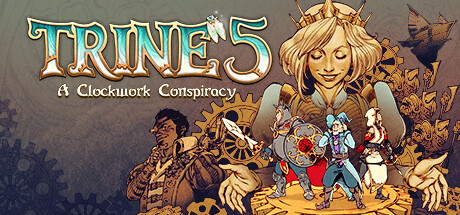
Liputan Eurogamer tentang Day of the Devs 2026 mengonfirmasi apa yang Frozenbyte isyaratkan selama musim dingin: Trine 6 nyata, dan membawa kembali penyihir, pencuri, dan ksatria ke dunia puzzle platformer dongeng mereka. Masalahnya adalah waktu tunggu. Trine 5 sudah berusia dua tahun, Ultimate Collection telah diskon selama berbulan-bulan, dan sebagian besar kelompok sudah menyelesaikan setiap kamar. Jika kita mencari nuansa co-op puzzle platformer tiga-kelas untuk beberapa akhir pekan ke depan, tujuh alternatif Trine ini mengisi celah.
Perbandingan cepat
| Game | Terbaik untuk | Pemain | Paket gratis | Harga awal |
|---|---|---|---|---|
| It Takes Two | Co-op naratif dua pemain | 2 | Friend’s Pass (gratis untuk satu) | $39.99 |
| Unravel Two | Co-op sofa dengan traversal fisika | 1-2 | Tidak | $19.99 |
| Magicka 2 | Kombinasi mantra empat penyihir yang kacau | 1-4 | Tidak | $14.99 |
| Pico Park 2 | Co-op puzzle pesta untuk grup besar | 2-8 | Tidak | $11.99 |
| DYO | Teka-teki otak mitologi layar terpisah | 2 | Tidak | $9.99 |
| Biped | Puzzle platformer twin-stick | 1-2 | Tidak | $14.99 |
| Lara Croft and the Temple of Osiris | Puzzle mencari harta empat pemain | 1-4 | Tidak | $19.99 |
Mengapa orang meninggalkan Trine
Tiga pola muncul berulang kali dalam diskusi Steam dan utas r/Trine.
- Solusi teka-teki berulang. Setelah lima game, pemain tahu untuk memanggil papan, menumpuk kotak ke tepi, dan menembak tali. Momen “aha” semakin tipis semakin lama grup bermain.
- Kecepatan melambat di sesi panjang. Switching tiga karakter Trine elegan tetapi lambat setelah semua orang tahu gerakannya, dan sesi berdurasi empat jam mulai membosankan.
- Mode empat pemain tidak pernah benar-benar berhasil. Trine 4 dan 5 menambahkan slot keempat, tetapi teka-teki dirancang untuk tiga, dan menambahkan penyihir atau pencuri kedua terasa berlebihan daripada kacau.
Masing-masing dari tujuh game di bawah menjawab setidaknya satu keluhan.
Alternatif
1. It Takes Two — terbaik untuk co-op naratif dua pemain
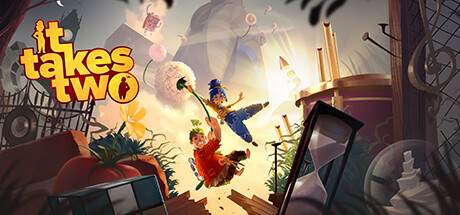
It Takes Two adalah petualangan puzzle dua pemain Josef Fares di mana setiap level memperkenalkan mekanik segar yang menggabungkan dua karakter bersama. Satu orang mengontrol Cody, yang lain mengontrol May, dan seluruh kampanye dibangun dengan asumsi bahwa kita duduk di sebelah mitra. Friend’s Pass Hazelight berarti hanya satu orang yang harus membeli game agar kedua orang bisa bermain.
Di mana ini kurang baik: ketat dua pemain. Tidak ada mode solo, tidak ada malam pesta empat pemain. Ceritanya berat pada premis pernikahan pusatnya dan tidak setiap pasangan menginginkan latar belakang itu.
Harga:
- Friend’s Pass: gratis untuk pemain kedua
- Berbayar: $39.99
- vs Trine: lebih mahal tetapi dirancang untuk duo yang menginginkan co-op yang lebih lama dan bervariasi
Migrasi dari Trine: terasa sama sekali berbeda. Di mana Trine memberlapis satu tumpukan kemampuan per karakter, It Takes Two menginventarisasi ulang toolkit setiap bab. Bersiaplah untuk belajar ulang kontrol setiap 30 menit.
Unduh: Steam
Garis bawah: pilihan saat kita ingin kampanye hanya-partner dengan desain teka-teki paling inovatif di daftar.
2. Unravel Two — terbaik untuk co-op sofa dengan traversal fisika
Unravel Two mengikat dua makhluk benang bersama dengan satu benang yang menangani setiap pendakian, ayunan, dan tarikan. Benangnya adalah teka-teki: kunci satu Yarny di tempat sebagai jangkar, biarkan yang lain berayun, lalu tarik kembali. Co-op lokal adalah split-screen dengan pasangan pengontrol tunggal, yang menjadikannya salah satu pilihan “serahkan pengontrol ke anak” paling bersih di Steam.
Di mana ini kurang baik: kampanye pendek, sekitar 6-8 jam. Fisika bisa rewel ketika satu pemain terburu-buru.
Harga:
- Gratis: tidak
- Berbayar: $19.99
- vs Trine: lebih murah, lebih pendek, dan lebih ketat
Migrasi dari Trine: lebih ringan dalam pertempuran, lebih berat dalam platforming menit-ke-menit. Lebih mudah membuat mitra Trine masuk.
Unduh: Steam
Garis bawah: ideal ketika salah satu dari dua pemain lebih muda atau baru mengenal co-op.
3. Magicka 2 — terbaik untuk kombinasi mantra empat penyihir yang kacau
Magicka 2 menjatuhkan hingga empat penyihir ke dalam petualangan tampilan atas di mana setiap mantra dibangun dengan menggabungkan elemen dengan cepat. Friendly fire aktif secara default. Setengah kesenangan adalah mengajarkan pemain baru cara melempar perisai uap, separuh lainnya adalah menonton pemain yang sama membakar seluruh pesta.
Di mana ini kurang baik: kamera dan pelempar mantra membutuhkan waktu untuk dipelajari, dan lobi selalu sedikit rewel.
Harga:
- Gratis: tidak
- Berbayar: $14.99 (game dasar Magicka 2)
- vs Trine: uang yang sebanding, energi jauh lebih kacau
Migrasi dari Trine: lebih sedikit platforming, lebih banyak pertempuran teka-teki dan kontrol kerumunan. Pemain yang menginginkan nuansa stacking mantra penyihir Trine mendapatkan versi lebih dalam di sini.
Unduh: Steam
Garis bawah: permainan pesta empat penyihir yang kami inginkan mode empat pemain Trine.
4. Pico Park 2 — terbaik untuk co-op puzzle pesta di grup besar
Pico Park 2 adalah sekuel dari salah satu permainan co-op pesta paling populer akhir 2020-an. Dua hingga delapan pemain menyelesaikan teka-teki layar tunggal di mana setiap level memaksa bentuk kerja sama tim yang baru. Pixel art dan durasi level pendek berarti grup dapat menyelesaikan sepuluh ruangan dalam setengah jam, dan tingkat tertawa per menit tinggi.
Di mana ini kurang baik: tidak ada cerita, tidak ada jaringan naratif, dan kesulitan meningkat tajam mendekati akhir kampanye.
Harga:
- Gratis: tidak
- Berbayar: $11.99
- vs Trine: lebih murah, skala ke grup lebih besar, nilai produksi lebih rendah
Migrasi dari Trine: hambatan masuk paling rendah di daftar ini. Siapa pun yang bisa menggerakkan joystick bisa bermain.
Unduh: Steam
Garis bawah: pilihan yang tepat untuk grup lebih dari dua atau tiga.
5. DYO — terbaik untuk teka-teki otak mitologi layar terpisah
DYO adalah indie yang terasa bebas yang membagi layar menjadi dua minotaur mencoba menavigasi labirin Yunani. Triknya adalah bahwa kedua belah pihak dapat disejajarkan untuk berbagi platform di seluruh divisi. Ini adalah teka-teki dua pemain yang berpikir tentang layar itu sendiri sebagai mekanik, dan tetap bersama kami lama setelah sebagian besar platformer hilang.
Di mana ini kurang baik: hanya 30 level, dan mekanik kamera membutuhkan 20 menit untuk diklik pemain baru.
Harga:
- Gratis: tidak
- Berbayar: $9.99
- vs Trine: seperlima panjangnya dan sepertiga harganya
Migrasi dari Trine: hal terdekat di daftar ini untuk teka-teki mekanik gaya Trine, hanya dengan kait yang lebih tajam.
Unduh: Steam
Garis bawah: teka-teki durasi akhir pekan untuk dua dengan ide yang tidak pernah dicoba Trine.
6. Biped — terbaik untuk puzzle platforming twin-stick
Biped memiliki dua robot yang berjalan dengan bergantian setiap analog stick, yang terdengar membosankan selama sepuluh detik dan kemudian menjadi seluruh permainan. Co-op bersandar pada koordinasi, karena kedua pemain perlu menanam kaki mereka secara sinkron untuk menyeberangi platform bergerak atau seimbang di atas balok. Kampanye ini pendek, sekitar lima jam, dan penuh dengan teka-teki variasi kecil.
Di mana ini kurang baik: bermain solo terasa sepi. Kontrol mudah disalahpahami di level awal.
Harga:
- Gratis: tidak
- Berbayar: $14.99 (sering dijual dengan harga setengah)
- vs Trine: harga sebanding untuk setengah waktu bermain
Migrasi dari Trine: sensibilitas platforming-pertama terbawa. Mekanik teka-teki adalah perbedaan terpenting.
Unduh: Steam
Garis bawah: pilihan ketika salah satu dari kami menginginkan platformer yang presisi dan hampir ritme daripada rutinitas tali-dan-papan biasa.
7. Lara Croft and the Temple of Osiris — terbaik untuk puzzle pencarian harta empat pemain
Lara Croft and the Temple of Osiris adalah tindak lanjut isometrik empat pemain untuk Guardian of Light. Setiap karakter memiliki alat unik (grappling hook Lara, obor Carter, staf Horus, batu Isis), dan teka-teki candi mengarah melalui setiap anggota pesta. Mode empat pemain adalah headlinenya. Dua dan tiga pemain juga bekerja, dengan karakter yang hilang ditangani oleh sistem.
Di mana ini kurang baik: dirilis pada 2014. Matchmaking sudah mati, dan kami mungkin akan memainkannya dengan teman dari grup Steam daripada orang asing.
Harga:
- Gratis: tidak
- Berbayar: $19.99 (Gold Edition sering di bawah $5 dalam penjualan)
- vs Trine: lebih murah dengan harga penjualan, dan puzzle empat pemain mendarat lebih sering daripada yang ada di Trine 5
Migrasi dari Trine: kecocokan terdekat untuk grup empat. Platforming lebih kasar, tetapi teka-teki candi lebih padat.
Unduh: Steam
Garis bawah: pilihan yang tepat untuk grup empat pemain yang menginginkan semangat Trine tanpa menunggu Trine 6.
Cara memilih
Pilih It Takes Two jika hanya kita berdua dan kami bersedia berkomitmen pada kampanye naratif yang panjang. Pilih Unravel Two jika salah satu pemain jauh lebih baru untuk co-op. Pilih Magicka 2 jika daya tarik Trine adalah stacking mantra penyihir, dan kami menginginkan kekacauan empat pemain yang Trine tidak pernah benar-benar berikan. Pilih Pico Park 2 untuk grup lima atau lebih. Pilih DYO untuk mekanik teka-teki paling orisinal di daftar. Pilih Biped jika platforming itu sendiri adalah apa yang kami inginkan. Pilih Lara Croft and the Temple of Osiris untuk crawl makam stabil empat pemain. Tinggal di Trine 5 jika kami belum menyelesaikan Ultimate Edition, atau jika kami ingin estetika dongeng yang ketujuh tidak cocok.
FAQ
Apakah It Takes Two lebih baik dari Trine?
It Takes Two telah memenangkan lebih banyak penghargaan dan menginventarisasi mekaniknya lebih sering, tetapi ia mengunci pengalaman ke tepat dua pemain. Trine berskala dari satu hingga empat. Jawaban yang tepat tergantung pada grup, bukan permainannya.
Dapatkah dua pemain bermain Trine 5 bersama?
Ya, online dan lokal. Trine 5 mendukung hingga empat pemain dalam teka-teki bersama. Jika kami menginginkan permainan bentuk Trine untuk tepat dua, Unravel Two adalah swap paling sederhana.
Apa alternatif Trine termurah di PC?
DYO dengan harga $9.99 adalah yang termurah di daftar ini. Pico Park 2 dengan harga $11.99 adalah pilihan pesta termurah. Keduanya dijual dengan harga di bawah $5 beberapa kali setahun.
Apakah Magicka 2 masih dimainkan di 2026?
Ya, dengan teman. Matchmaking ringan, jadi kami ingin membawa lobi kami sendiri. Mekanik dasar masih bertahan dan Paradox menjaga server tetap berjalan.
Apakah Trine 6 akan di PC?
Ya. Frozenbyte mengumumkan Trine 6 pada Day of the Devs 2026 dengan PC sebagai platform utama. Jendela rilis belum dikonfirmasi.