For All Mankind berakhir di musim kelimanya di Titan, dengan misi yang mengubah keseluruhan serial: roket sejarah alternatif bukan sekadar fiksi ilmiah tetapi versi berbeda dari apa yang sudah kami bangun. Pemain yang menyelesaikan final itu dan ingin terus terbang beruntung. Game simulasi luar angkasa terbaik untuk Android mencakup sandbox pembangunan orbit dari awal, manajemen agensi bergaya Kerbal, dan mode cerita koloni-di-Mars yang mencerminkan apa yang benar-benar direncanakan NASA. Kami menguji tujuh game untuk akurasi fisika, kedalaman sandbox, variasi misi, dan cara game menangani ponsel dengan layar lebih kecil.
Apa yang harus dicari dalam game simulasi luar angkasa
Lima kriteria membedakan simulasi nyata dari “game aksi berbentuk pesawat luar angkasa”.
Mekanika orbital. Fisika dua badan nyata (roket melengkung ke orbit alih-alih terbang lurus) adalah fitur pembeda terbesar yang paling tunggal. Aplikasi yang memalsukan tampak cantik dan bermain salah.
Sandbox versus misi yang ditulis naskah. Sandbox memberi penghargaan improvisasi. Game yang didorong oleh misi mengajarkan dasar-dasar terlebih dahulu.
Mode karir. Uang, kontrak, pohon penelitian, reputasi agensi. Tarikan jangka panjang terbaik genre.
Pembangunan roket multi-tahap. Sim nyata memungkinkan Anda mengikat tahap bersama, memilih mesin, dan menemukan bahwa roket yang berlebihan terbang lebih buruk.
Keramahan real-estat layar. Beberapa sim berbasis PC mengompres dengan buruk ke ponsel. Yang dibangun untuk sentuhan menjaga kamera dan tempat sampah suku di luar jalan satu sama lain.
Modding atau konten komunitas. Sim yang berumur panjang hidup di konten yang dibangun pemain. Sistem bengkel atau tautan bagikan memperpanjang game berbulan-bulan.
Perbandingan cepat
| Game | Terbaik untuk | Kedalaman fisika | Paket gratis | Tingkat berbayar | Fitur menonjol |
|---|---|---|---|---|---|
| Spaceflight Simulator | Pembangunan orbit cepat | Dua badan nyata | Gratis, iklan | Pro $4.99 | Peluncuran satu ketukan dengan fisika nyata |
| SimpleRockets 2 | Kedalaman sandbox | Opsi N-body penuh | Hanya berbayar | $4.99 | Mode karir, sistem planet penuh |
| Pocket Rocket | Pendatang baru kasual | Arkade | Gratis, iklan | $2.99 tanpa iklan | Peluncuran layar tunggal |
| Mars Horizon | Strategi manajemen agensi | Misi dengan naskah | Gratis dengan IAP | Pro $7.99 | Misi berlisensi NASA |
| KSP Companion | Pemain Kerbal | Referensi saja | Gratis | Tidak ada | Kalkulator Delta-V untuk KSP |
| Stellaris Galaxy Command | Strategi skala kekaisaran | Abstrak | Gratis, IAP | Gratis | Strategi 4X di alam semesta Stellaris |
| Tiny Space Program | Perkembangan menganggur | Bergaya | Gratis, iklan | $3.99 tanpa iklan | Timer penelitian menganggur |
#1. Spaceflight Simulator — terbaik untuk pembangunan roket praktis
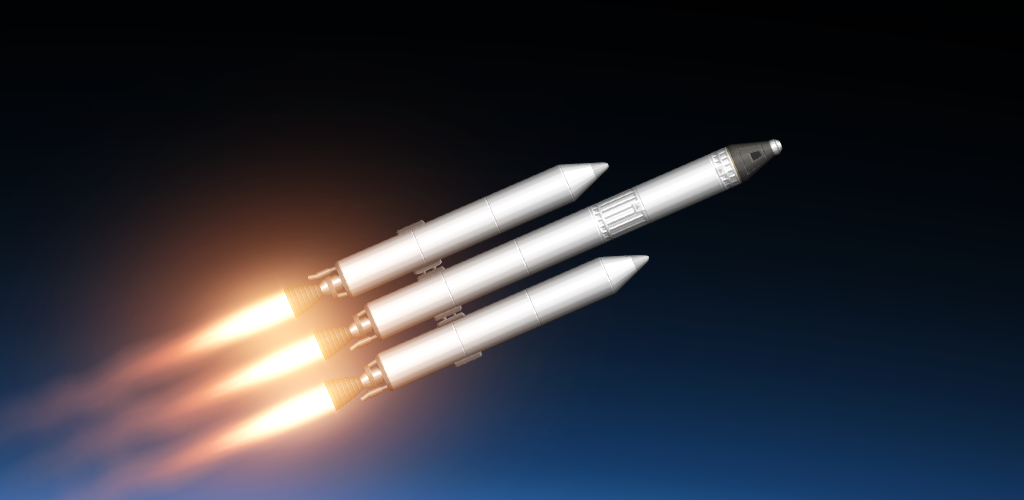
Spaceflight Simulator adalah pilihan kanonik. Bangun roket dari potongan suku cadang nyata (pod perintah, tangki bahan bakar, mesin, decoupler), nyalakan api, dan pelajari bahwa 5.500 m/s delta-V tidak akan mencapai Mars kecuali Anda menggenjot. Simulasi menggunakan fisika orbital dua badan nyata: genjot di titik salah dan Anda jatuh kembali; bakar ke arah yang salah dan Anda meratakan orbit yang tidak membantu. Versi gratis mencakup Bumi dan Bulan; pembukaan berbayar Pro membuka seluruh tata surya.
Tempat yang jatuh pendek: Batas membangun gratis pemilihan planet. Beberapa pengguna menemukan pustaka suku cadang sempit dibandingkan dengan sim PC. Kontrol kamera membutuhkan praktik.
Harga: Gratis dengan iklan. Upgrade Pro sekitar $4.99 USD.
Platform: Android, iOS.
Download: Aptoide · Google Play
Garis bawah: Pilih Spaceflight Simulator terlebih dahulu. Ini adalah sim luar angkasa praktis paling halus di Android, pembangunan gratis disertakan.
#2. SimpleRockets 2 — kedalaman sandbox terbaik
SimpleRockets 2 adalah sepupu spiritual Kerbal Space Program, dengan tata surya lengkap, mode karir nyata, rantai kontrak, dan pengaturan fisika N-body opt-in yang membuat titik Lagrange benar-benar berperilaku. Bangun roket di editor suku cadang, terbang di orbit nyata, kelola pohon sains.
Tempat yang jatuh pendek: Berbayar di muka; tidak ada uji coba gratis. Antarmuka mengasumsikan beberapa kesabaran tingkat Kerbal. Seluler adalah kode yang sama dengan build desktop, yang membuatnya terasa sesak di layar kecil.
Harga: Pembelian satu kali sekitar $4.99 USD.
Platform: Android, iOS, Windows, macOS, Linux.
Download: Aptoide · Google Play
Garis bawah: Pilih SimpleRockets 2 ketika Spaceflight Simulator mulai terasa kecil.
#3. Pocket Rocket — terbaik untuk pendatang baru kasual
Pocket Rocket menyederhanakan simulasi ke bagian-bagian yang peduli pendatang baru. Tiga mesin, tiga ukuran bahan bakar, satu busur peluncuran. Tekan ketinggian target, kumpulkan koin, buka roket berikutnya. Fisika cukup longgar untuk terasa memaafkan; kesalahan kehilangan uang, bukan tiga jam.
Tempat yang jatuh pendek: Bukan simulasi nyata. Tanpa multi-tahap. Pembangunan gratis berat di iklan yang diberi hadiah.
Harga: Gratis dengan iklan. Upgrade tanpa iklan sekitar $2.99 USD.
Platform: Android, iOS.
Download: Aptoide · Google Play
Garis bawah: Pilih Pocket Rocket jika “simulasi luar angkasa” terasa menakutkan dan Anda menginginkan genre sebagai game perjalanan lima menit.
#4. Mars Horizon — strategi manajemen agensi terbaik
Mars Horizon memungkinkan Anda menjalankan agensi luar angkasa (NASA, ESA, JAXA, Roscosmos, CNSA) melalui Perang Dingin, era pesawat ulang-alik, dan perlombaan fiksi ke Mars di tahun 2040-an. Misi ditulis naskah; simulasi berada di sisi agensi. Pilih muatan, seimbangkan anggaran, rencanakan penerbangan berawak, arahkan acara misi langsung.
Tempat yang jatuh pendek: Bukan simulator penerbangan; roket selalu diluncurkan dengan cara yang sama setelah Anda merakitnya dengan benar. IAP gaya berlangganan membuka beberapa pembukaan agensi. Ukuran instalasi berat.
Harga: Gratis dengan IAP. Tingkat Pro sekitar $7.99 USD.
Platform: Android, iOS, Windows, PlayStation, Xbox.
Download: Aptoide · Google Play
Garis bawah: Pilih Mars Horizon jika For All Mankind membuat Anda ingin menjalankan agensi, bukan terbang roket.
#5. KSP Companion — referensi terbaik untuk pemain Kerbal Space Program
KSP Companion bukan permainan tetapi kalkulator. Peta Delta-V sistem Kerbol, perencana jendela transfer, estimator seret atmosfer. Untuk pemain Kerbal yang membuat file simpanan tetap terbuka di laptop, sisi ponsel pendamping menjalankan math sehingga layar utama tetap berada di roket.
Tempat yang jatuh pendek: Alat, bukan hiburan. Berguna hanya jika Anda benar-benar bermain KSP di platform lain.
Harga: Gratis.
Platform: Android.
Download: Google Play
Garis bawah: Pilih ini jika Anda memiliki simpanan KSP di suatu tempat dan ingin kalkulator yang tahu gravitasi Bulan.
#6. Stellaris Galaxy Command — terbaik untuk strategi skala kekaisaran
Stellaris Galaxy Command mengubah game strategi 4X PC menjadi pembangun basis yang ramah ponsel dengan gerakan armada waktu nyata. Kurang “simulasi” daripada “Clash of Clans antarbintang”, tetapi alam semesta dibangun dari setelan dan tradisi yang sama. Multipemain adalah bagian yang stabil dari loop.
Tempat yang jatuh pendek: Mekanik bebas bermain yang kuat dengan timer energi dan upgrade yang dibuka. Simulasi adalah abstrak; mekanika orbital tidak ada di sini.
Harga: Gratis dengan IAP opsional.
Platform: Android, iOS.
Download: Aptoide · Google Play
Garis bawah: Pilih Stellaris Galaxy Command untuk alam semesta, bukan fisika.
#7. Tiny Space Program — manajemen luar angkasa menganggur terbaik
Tiny Space Program berjalan sebagai game menganggur dengan tema program luar angkasa. Ketuk untuk mendanai peluncuran, tunggu timer, kumpulkan sains, investasikan di tahap berikutnya. Seni adalah piksel yang digambar tangan; desain roket merujuk kendaraan nyata (Saturn V, Falcon Heavy, mirip Starship).
Tempat yang jatuh pendek: Tidak ada penerbangan nyata. Loop menganggur pendek, kemudian dataran tinggi. Tekanan bayar untuk lewati muncul sekitar 20 jam.
Harga: Gratis dengan iklan. Upgrade tanpa iklan sekitar $3.99 USD.
Platform: Android.
Download: Aptoide · Google Play
Garis bawah: Pilih Tiny Space Program untuk game bertema usaha rendah dan cocok dengan penerbangan panjang atau podcast.
Cara memilih game simulasi luar angkasa yang tepat
- Jika Anda ingin membangun roket dan mempelajari fisika: Spaceflight Simulator.
- Jika Anda menginginkan sandbox terdalam di ponsel: SimpleRockets 2.
- Jika “sim luar angkasa” terasa menakutkan: Pocket Rocket.
- Jika Anda ingin menjalankan agensi luar angkasa: Mars Horizon.
- Jika Anda sudah bermain Kerbal di platform lain: KSP Companion.
- Jika Anda menginginkan game strategi skala galaksi: Stellaris Galaxy Command.
- Jika Anda menginginkan genre sebagai game menganggur: Tiny Space Program.
Sebagian besar pembaca harus memulai dengan Spaceflight Simulator, kemudian lulus ke SimpleRockets 2 ketika pustaka suku cadang mulai terasa membatasi.
FAQ
Apakah ada Kerbal Space Program nyata di Android?
Tidak ada port KSP resmi untuk Android. SimpleRockets 2 adalah pilihan tersedia terdekat, dengan kedalaman fisika serupa dan loop karir yang sebanding. Tim KSP belum menandakan rencana seluler jangka dekat.
Bisakah ponsel benar-benar mensimulasikan mekanika orbital?
Ya. Spaceflight Simulator dan SimpleRockets 2 keduanya menjalankan fisika Newtonian dua badan nyata di perangkat. Integrasi numerik disederhanakan dibandingkan dengan alat NASA, tetapi cukup baik untuk terbang orbit transfer nyata.
Apakah game-game ini memerlukan koneksi internet?
Spaceflight Simulator, SimpleRockets 2, Mars Horizon, KSP Companion, dan Tiny Space Program semuanya berjalan sepenuhnya offline. Stellaris Galaxy Command hanya online.
Sim luar angkasa mana yang mengajarkan sains roket nyata?
Spaceflight Simulator dan SimpleRockets 2 keduanya mengajarkan delta-V, penggenjot, transfer Hohmann, dan penyisipan orbital dengan cara yang diterjemahkan langsung ke konsep nyata. Mereka banyak digunakan sebagai game gateway untuk mahasiswa teknik dirgantara.
Apakah Mars Horizon akurat secara historis?
Sebagian besar. Misi agensi di permulaan game mengikuti garis waktu sejarah nyata (Mercury, Apollo, Soyuz). Endgame perlombaan Mars adalah fiktif tetapi menggunakan arsitektur kendaraan yang masuk akal.
Apakah ada sim luar angkasa gratis tanpa IAP sama sekali?
KSP Companion adalah pilihan gratis paling bersih, meskipun itu adalah alat referensi. Spaceflight Simulator dan Tiny Space Program memiliki iklan gratis, dengan pembelian satu kali opsional yang menghapusnya.