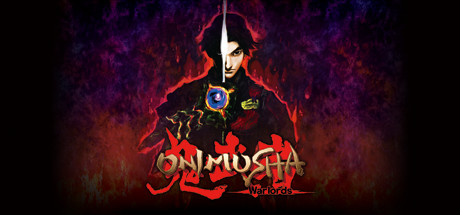
Liputan Polygon Direct memastikan Capcom sepenuhnya berkomitmen pada Switch 2 di 2026, dengan Onimusha memimpin bersama Dragon’s Dogma 2 dan serangkaian remaster baru. Pemain PC mendapatkan hidangan sampingan: remaster Warlords ada di Steam, tetapi pengalaman Onimusha modern terkunci di peta jalan Capcom, yang saat ini berfokus pada konsol. Jika Anda menginginkan pertempuran pembasmi setan dengan katana di Windows sekarang, genre telah berkembang di sekitar ketidakhadiran Onimusha.
Kami menilai tujuh alternatif Onimusha di PC. Daftar ini menggabungkan aksi samurai murni, soulslike dengan katana, dan satu pilihan dunia terbuka bersejarah. Masing-masing memberikan irisan berbeda dari apa yang Onimusha tempatkan di peta.
Perbandingan cepat
| Game | Terbaik untuk | Biaya | Menonjol | Platform |
|---|---|---|---|---|
| Sekiro | Duel berbasis postur | $59.99 | Pertempuran pedang yang dipandu defleksi | Windows |
| Nioh 2 | Pembuat suku dan peserta brawler yokai | $49.99 | Postur dan perubahan yokai | Windows |
| Ghost of Tsushima | Sinematik samurai dunia terbuka | $59.99 | Duel standar dan navigasi angin | Windows |
| Stranger of Paradise | Action-RPG sistem pekerjaan | $59.99 | Lapisan kelas Final Fantasy | Windows |
| Rise of the Ronin | Aksi dunia terbuka Bakumatsu | $49.99 | Politik faksi | Windows |
| Like a Dragon: Ishin! | Edo brawler-RPG | $59.99 | Empat gaya bertarung | Windows |
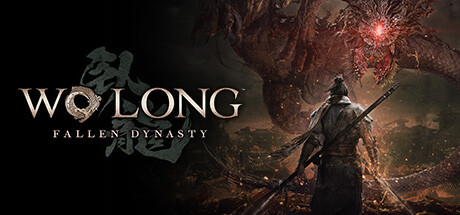
| Wo Long: Fallen Dynasty | Tiga Kerajaan soulslike | $59.99 | Sistem moral | Windows |
Mengapa penggemar Onimusha membutuhkan alternatif
Tema berulang dari komunitas Steam Onimusha:
- Remaster mencakup tiga game pertama. Seri Onimusha 4 dan entri pasca-2006 apa pun tidak pernah sampai ke PC.
- Pacing singkat menurut standar modern. Warlords berjalan sekitar 8 jam; alternatif modern menargetkan 30+.
- Latar belakang yang dirender sebelumnya dan kamera tetap telah menua remaster dengan cara yang tidak dilakukan pertempuran.
- Senjata magis terasa terbatas dibandingkan alat prosthetik Sekiro atau perubahan yokai Nioh.
- Co-op atau permainan pesta tidak ada. Game aksi modern biasanya menawarkan setidaknya beberapa lapisan sosial.
Tujuh pilihan di bawah mengatasi kesenjangan tersebut.
7 alternatif Onimusha terbaik di PC
Sekiro: Shadows Die Twice — duel berbasis postur
Sekiro: Shadows Die Twice oleh FromSoftware adalah penerus spiritual yang mendarat oleh sebagian besar pemain Onimusha mantan. Pertempuran pedang yang dipandu defleksi menggantikan penghindaran berbasis stamina, meter postur membuat setiap duel terasa seperti pertukaran katana nyata, dan alat protesis shinobi memberikan kepuasan “keajaiban-melekat-ke-pedang” yang sama seperti Oni Gauntlet yang disediakan dalam Onimusha asli.
Untuk penggemar Onimusha yang menginginkan pertempuran yang dibawa ke era modern dengan kedalaman yang diskalakan untuk bermain ahli, Sekiro adalah garis paling langsung.
Di mana ia kekurangan: Tidak ada kustomisasi bangun, tidak ada pesta, tidak ada co-op. Kurva kesulitan lebih curam daripada yang pernah diminta Onimusha. Panjang satu lintasan adalah sekitar 25 jam.
Harga:
- Gratis: Tidak
- Dasar: $59.99, GOTY Edition $69.99 (diskon reguler ke $19.79)
- vs Onimusha: Lebih mahal, pertempuran jauh lebih dalam, variasi cerita lebih sedikit
Beralih dari Onimusha: Mulai dengan sorot Hirata Estate setelah dibuka kunci. Rantai defleksi mid-air menggantikan waktu parry Onimusha.
Unduh: Sekiro: Shadows Die Twice di Steam
Garis bawah: Pilih Sekiro ketika Anda menginginkan reinkarnasi modern pertempuran Onimusha dengan langit-langit keterampilan jauh lebih tinggi.
Nioh 2 — pembuat suku dan peserta brawler yokai
Nioh 2 oleh Team Ninja adalah kecocokan terdekat dengan nada Onimusha. Pengaturan era Sengoku, antagonis yokai, sistem bangun-keahlian dengan ratusan inti jiwa, dan pertempuran penggantian postur (tinggi/menengah/rendah untuk setiap senjata) yang membuat Anda menyesuaikan dengan monster sebanyak mereka menyesuaikan dengan Anda. Pergeseran yokai mengubah Anda menjadi bentuk iblis dengan gerakan unik, yang merupakan keturunan mekanis terdekat dari transformasi Oni Samanosuke.
Untuk penggemar Onimusha yang menyukai sudut pembunuh setan ditambah kedalaman bangun, Nioh 2 memiliki nilai putar ulang lebih dari pilihan lain di daftar.
Di mana ia kekurangan: Berbasis misi, bukan dunia terbuka. Keahlian bangun dapat terasa seperti pekerjaan spreadsheet. Nada gelap lebih gelap daripada Onimusha.
Harga:
- Gratis: Tidak
- Dasar: $49.99, Complete Edition $79.99 (diskon reguler ke $24.99 dasar)
- vs Onimusha: Lebih murah, jauh lebih dalam, tidak ada dunia terbuka
Beralih dari Onimusha: Pilih satu senjata (Switchglaive atau Sword direkomendasikan) dan kuasai tiga posturnya sebelum diversifikasi.
Unduh: Nioh 2 di Steam
Garis bawah: Pilih Nioh 2 ketika Anda menginginkan sistem pertempuran terdalam di daftar dan estetika yokai Onimusha yang ditanggapi dengan serius.
Ghost of Tsushima Director's Cut — sinematik samurai dunia terbuka
Ghost of Tsushima Director’s Cut oleh Sucker Punch adalah port PC yang memberikan fantasi samurai sinematik dalam skala. Duel standar, sistem angin-sebagai-navigasi, dan ekspansi Iki Island memberikan dunia terbuka lebih padat daripada yang pernah dimiliki Onimusha. Pertempuran duduk di antara presisi Sekiro dan kedalaman Nioh, dan mode multipemain Legends menambahkan misi co-op empat pemain untuk pertama kalinya dalam genre.
Untuk penggemar Onimusha yang menginginkan sinematografi Akira Kurosawa di atas pertempuran katana yang solid, Ghost of Tsushima adalah kecocokan terdekat.
Di mana ia kekurangan: Pertempuran lebih dangkal daripada Sekiro atau Nioh. Beberapa copy-paste dunia terbuka dalam konten samping. Port PC memiliki keanehan saat peluncuran, sebagian besar diperbaiki.
Harga:
- Gratis: Tidak
- Dasar: $59.99, Director’s Cut bundel (diskon reguler ke $34.99)
- vs Onimusha: Lebih mahal, cakupan jauh lebih besar, pertempuran lebih ringan
Beralih dari Onimusha: Gunakan mode Standoff setiap kesempatan. Setiap musuh yang dikalahkan mengurangi cooldown untuk rentetan standoff Anda berikutnya.
Unduh: Ghost of Tsushima Director’s Cut di Steam
Garis bawah: Pilih Ghost of Tsushima ketika Anda menginginkan game samurai dunia terbuka sinematik dengan co-op yang tepat.
Stranger of Paradise: Final Fantasy Origin — action-RPG sistem pekerjaan
Stranger of Paradise: Final Fantasy Origin oleh Team Ninja adalah titik masuk yang lebih lembut dari tim Nioh. Sistem pekerjaan melapisi identitas kelas Final Fantasy di atas pertempuran aksi: beralih dari Knight ke Mage ke Dragoon di tengah combo, tukar keseluruhan kit keterampilan melalui pohon pekerjaan, dan putaran loot mengejar perlengkapan yang sesuai dengan bangun tertentu.
Untuk penggemar Onimusha yang menyukai variasi senjata lebih dari kurva kesulitan Nioh, ini adalah langkah turun yang tepat.
Di mana ia kekurangan: Presentasi visual beragam. Cerita sengaja berlebihan. Beberapa bos berulang di seluruh kampanye.
Harga:
- Gratis: Tidak
- Dasar: $59.99, Deluxe Edition dengan DLC $89.99 (diskon reguler ke $29.99)
- vs Onimusha: Lebih mahal, variasi jauh lebih banyak, cerita lebih ringan
Beralih dari Onimusha: Gunakan mekanik Soul Shield sebagai parry literal. Penguasaan pekerjaan dasar membuka kunci pekerjaan ahli yang sebenarnya ingin Anda mainkan.
Unduh: Stranger of Paradise: Final Fantasy Origin di Steam
Garis bawah: Pilih Stranger of Paradise ketika Anda menginginkan pertempuran Nioh disesuaikan satu langkah lebih mudah dengan variasi kelas Final Fantasy di atas.
Rise of the Ronin — aksi dunia terbuka Bakumatsu
Rise of the Ronin oleh Team Ninja adalah game terbesar studio dan pilihan paling politis di daftar. Ditetapkan di Bakumatsu (periode Edo akhir), ini mengadu pemain antara faksi pro-shogunate dan anti-shogunate, dengan reputasi, dialog, dan pertempuran semua memberi makan berdiri faksi. Pertempuran lebih dapat diakses daripada Nioh, dunia terbuka mencakup Yokohama dan Edo, dan sistem ikatan menciptakan hubungan sekutu seperti Onimusha.
Untuk penggemar Onimusha yang menginginkan cerita samurai bersejarah dengan reaktivitas politik nyata, Rise of the Ronin adalah pilihan paling segar.
Di mana ia kekurangan: Konten samping padat dan dapat terasa padding-berat. Kinerja pada PC hardware menengah memerlukan patch. Kedalaman pertempuran tertinggal dari Nioh.
Harga:
- Gratis: Tidak
- Dasar: $49.99, Digital Deluxe $59.99 (diskon reguler ke basis $34.99)
- vs Onimusha: Lebih murah, cakupan jauh lebih besar, pertempuran lebih ringan
Beralih dari Onimusha: Pilih gaya awal yang menggunakan katana sebagai yang utama (bukan tombak). Gaya Mumyo Jigen-Ryu adalah yang terdekat dengan rasa pertempuran dasar Onimusha.
Unduh: Rise of the Ronin di Steam
Garis bawah: Pilih Rise of the Ronin ketika Anda menginginkan samurai dunia terbuka dengan percabangan politis.
Like a Dragon: Ishin! — Edo brawler-RPG
Like a Dragon: Ishin! oleh Ryu Ga Gotoku Studio adalah penggantian genre di daftar. Ditetapkan di Kyoto tahun 1860-an, ia mengikuti struktur gaya Yakuza: cerita berat, empat gaya bertarung yang berbeda (Brawler, Swordsman, Gunman, Wild Dancer), dan kota penuh mini-game (balapan ayam, memasak, parlor karaoke) untuk istirahat di antara pertarungan. Pertempuran lebih cepat dan lebih ringan daripada Nioh, dengan register komik yang lebih kuat.
Untuk penggemar Onimusha yang menyukai variasi nada seri (intro sinematik, mini-game konyol, akhir dramatis) lebih dari kedalaman pertempuran, Ishin! adalah pilihan termudah.
Di mana ia kekurangan: Pertempuran lebih dangkal daripada Sekiro atau Nioh. Cerita-mini-game cambuk membagi pemain. Waktu muat dalam mode Yakuza lama.
Harga:
- Gratis: Tidak
- Dasar: $59.99 (diskon reguler ke $19.79)
- vs Onimusha: Lebih mahal, variasi jauh lebih banyak, lebih komik
Beralih dari Onimusha: Belanjakan uang pada gaya Swordsman terlebih dahulu. Gaya Wild Dancer adalah keturunan spiritual dari pertempuran kaya-kombo akhir permainan Onimusha.
Unduh: Like a Dragon: Ishin! di Steam
Garis bawah: Pilih Ishin! ketika Anda menginginkan cerita samurai dengan kisaran nada khas seri Yakuza.
Wo Long: Fallen Dynasty — Tiga Kerajaan soulslike
Wo Long: Fallen Dynasty oleh Team Ninja menggeser pengaturan dari Jepang ke Tiga Kerajaan China tetapi menyimpan filosofi pertempuran-pertama studio. Sistem moral memberi tekanan pada permainan agresif (bunuh musuh untuk menaikkan level moral Anda), penjumlahan makhluk ilahi menambahkan mekanik finisher gaya Onimusha, dan waktu defleksi duduk di antara Sekiro dan Nioh pada skala presisi.
Untuk penggemar Onimusha yang menginginkan sistem pertempuran Team Ninja di slot kalender yang kurang ramai daripada Nioh 2, Wo Long adalah opsi rewel-tapi-bermanfaat.
Di mana ia kekurangan: Penyimpangan pengaturan akan mengecewakan puritan yang menginginkan pengaturan ketat Jepang. Beberapa bos berulang. Sistem moral dapat membalik kesulitan secara drastis.
Harga:
- Gratis: Tidak
- Dasar: $59.99, Complete Edition $79.99 (diskon reguler ke basis $19.79)
- vs Onimusha: Lebih mahal, pertempuran lebih dalam, pengaturan China
Beralih dari Onimusha: Tahan defleksi lebih awal. Level moral adalah pengganda DPS Anda; naikkan dengan membunuh agresif daripada berkubang.
Unduh: Wo Long: Fallen Dynasty di Steam
Garis bawah: Pilih Wo Long ketika Anda menginginkan sistem pertempuran Team Ninja dalam cakupan lebih kecil daripada Nioh 2.
Cara memilih
- Jika pertempuran pedang yang digerakkan duel adalah hal utama: Sekiro.
- Jika Anda menginginkan vibe yokai Onimusha dengan kedalaman bangun: Nioh 2.
- Jika Anda menginginkan sinematik samurai dunia terbuka: Ghost of Tsushima Director’s Cut.
- Jika variasi penting lebih dari kesulitan: Stranger of Paradise.
- Jika Anda menginginkan cerita politis dengan aksi samurai: Rise of the Ronin.
- Jika Anda menginginkan komedi dan cerita di samping pertempuran: Like a Dragon: Ishin!.
- Jika Anda menginginkan sistem pertempuran Team Ninja dalam cakupan lebih kecil: Wo Long.
- Tetap di Onimusha Warlords jika Anda secara khusus menginginkan remaster original dan Anda belum menyelesaikannya. Pacingnya singkat tetapi pertempuran inti masih tahan.
FAQ
Apakah ada remake Onimusha yang akan datang ke PC?
Capcom telah mengumumkan entri Onimusha baru untuk rilis Switch 2. Port PC belum dikonfirmasi.
Alternatif mana yang paling dekat dengan pertempuran Onimusha?
Sekiro untuk waktu parry, Nioh 2 untuk nuansa transformasi setan, Wo Long untuk campuran keduanya.
Bisakah saya bermain salah satu dari mereka di Steam Deck?
Sekiro, Ghost of Tsushima, Stranger of Paradise, dan Wo Long adalah Verified atau Playable. Nioh 2 berjalan tetapi memerlukan penyetelan pengaturan. Like a Dragon: Ishin! dan Rise of the Ronin memiliki persyaratan yang lebih berat.
Alternatif Onimusha mana yang memiliki cerita terbaik?
Like a Dragon: Ishin! memiliki cerita paling sinematik. Ghost of Tsushima memiliki busur paling beresonansi emosional. Rise of the Ronin memiliki plot paling reaktif.
Apakah Nioh 2 terlalu sulit untuk pemain Onimusha?
Jam-jam awal tidak kenal ampun, tetapi sistem postur memberi penghargaan kepada latihan. Gunakan keterampilan keajaiban Onmyo atau Ninjutsu sebagai setara senjata magis Anda.
Apakah ada game-game ini yang co-op?
Nioh 2 memiliki co-op misi penuh. Ghost of Tsushima Legends menambahkan mode co-op. Wo Long mendukung co-op dua pemain. Sekiro dan lainnya adalah pemain tunggal.