Minecraft di PC masih menguasai genre kotak pasir, tetapi migrasi akun Microsoft yang memakan waktu lima tahun untuk diselesaikan sepenuhnya, perpecahan Java versus Bedrock yang membingungkan setiap pemula, dan tempo pembaruan vanila yang lambat mendorong banyak pemain untuk mencari alternatif. Kabar baiknya untuk 2026 adalah bahwa pasar alternatif Minecraft yang kredibel di PC akhirnya tertinggal. Kami menghabiskan berminggu-minggu bermain game kotak pasir dan bertahan hidup terkuat di desktop dan menyusun daftar tujuh yang bertahan.
Panduan ini berfokus pada permainan yang mengambil ide inti Minecraft—pembangunan voxel, eksplorasi terbuka, kemajuan bertahan hidup—dan baik memperdalamianya atau membawanya ke arah yang berbeda. Beberapa dalam 2D, beberapa berfokus pada pertempuran, satu gratis.
Perbandingan cepat
| Game | Terbaik untuk | Biaya | Dimana Membeli | Fitur Menonjol |
|---|---|---|---|---|
| Terraria | Kedalaman kotak pasir 2D | $9.99 | Steam | 5000+ item dan bos |
| Valheim | Kelangsungan hidup koop | $19.99 | Steam | Perkembangan bioma bertema Norse |
| Vintage Story | Kelangsungan hidup realistis | $20 | Vintagestory.at | Kerajinan yang akurat secara historis |
| Core Keeper | Kotak pasir atas-bawah | $14.99 | Steam | Eksplorasi bawah tanah |
| Eco | Simulator ekonomi koop | $29.99 | Steam | Peradaban yang dibangun pemain |
| Roblox | Game buatan pengguna | Gratis | Roblox.com | Jutaan pengalaman buatan pemain |
| LEGO Worlds | Pembangunan ramah keluarga | $29.99 | Steam | Batu bata LEGO asli |
Mengapa orang meninggalkan Minecraft di PC
Keluhan berulang di r/Minecraft, forum Mojang, dan komunitas Java Edition:
Migrasi akun Microsoft meninggalkan luka
Perpindahan paksa dari akun Mojang ke akun Microsoft menciptakan penguncian untuk ribuan pemain yang memiliki akun warisan, email yang tertaut ganda, atau akun keluarga yang tidak ditransfer dengan bersih. Beberapa pemain tidak pernah mendapatkan kembali akses ke kulit atau dunia yang mereka bayar bertahun-tahun sebelumnya.
Pembaruan vanila terasa lambat dan tidak fokus
Siklus pembaruan tahunan dengan satu atau dua fitur utama meregangkan waktu antara penambahan gameplay yang bermakna. Server bermodifikasi dan proyek seperti Distant Horizons secara rutin melampaui roadmap Mojang sendiri, yang membuat permainan resmi terasa seperti titik awal daripada pengalaman yang lengkap.
Perpecahan Java vs Bedrock membingungkan semua orang
Mod hanya Java. Crossplay hanya Bedrock. Realms berbeda. Marketplace adalah Bedrock. Add-on adalah Bedrock. Dua edisi tidak berbagi dunia, yang membuat Minecraft satu-satunya game besar di PC di mana platform yang Anda pilih menentukan sisa pengalaman sosial Anda.
Kinerja di Java tidak dapat diprediksi
Java Edition masih mendapat manfaat dari mod seperti Sodium dan Lithium untuk mencapai kecepatan frame yang layak di perangkat keras modern. Kinerja vanila meningkat tetapi tertinggal dari apa yang diharapkan pemain dari rilis 2026 di PC.
Alternatifnya
Terraria — Kedalaman kotak pasir 2D terbaik
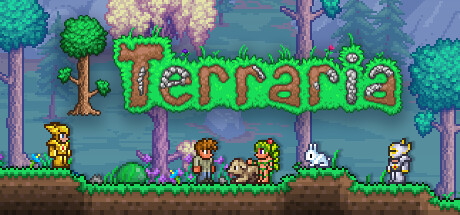
Terraria adalah saudara kandung terdekat Minecraft di PC, hanya ke samping. Format seni piksel 2D menyembunyikan kotak pasir dengan lebih banyak konten total daripada Minecraft vanila, dengan lebih dari 5000 item, puluhan bos, beberapa jalur kemajuan endgame, dan soundtrack yang bersaing dengan yang asli. Re-Logic mengirimkan pembaruan besar bertahun-tahun setelah rilis, dan permainan berharga $10.
Anda membangun, Anda berkelahi, Anda menjelajahi bioma, dan kurva kemajuan lebih dapat dibaca daripada Minecraft. Urutan bos memberi tahu Anda ke mana Anda harus pergi. Hardmode membuka lapisan kedua dunia setelah Anda mengalahkan Wall of Flesh. Multiplayer skala ke server besar dan adegan modding (tModLoader) bersaing dengan Minecraft.
Dimana itu jatuh pendek: Ini 2D, yang merupakan pemberhentian total bagi beberapa pemain. Pertempuran awal permainan lebih kasar daripada Minecraft karena kepadatan musuh lebih tinggi. Resep kerajinan tidak selalu jelas tanpa wiki.
Harga:
- $9.99 pembelian satu kali
- vs Minecraft: Lebih murah. Terraria adalah salah satu pembelian nilai terbaik di Steam dengan harga penuh.
Beralih dari Minecraft: Pergeseran dimensi ke 2D adalah penyesuaian terbesar. Alat dan pertempuran membawa konsep. Multiplayer berbasis server, mirip dengan Java Realms.
Garis bawah: Pilih Terraria jika Anda menginginkan kotak pasir terdalam di PC dan tidak memerlukan 3D. Lewati jika seni piksel 2D tidak menarik.
Valheim — Kelangsungan hidup koop terbaik
Valheim adalah kotak pasir kelangsungan hidup yang benar-benar ex-Minecraft players kami ketahui menetap. Pengaturan mitologi Norse, perkembangan bioma demi bioma, dan pertempuran jarak dekat yang meriah memberikannya ritme berbeda dari Minecraft. Anda membangun kapal perang, berlayar ke bioma baru, membunuh bos, membuka tingkat materi berikutnya. Loop koop dengan dua sampai sepuluh pemain itulah yang membuat permainan tetap di bagan teratas Steam selama bertahun-tahun.
Pembaruan Ashlands dan Deep North memperluas lima bioma asli menjadi dunia yang lebih lengkap. Permainan meninggalkan Early Access di 2025 dan rilis 1.0 mengencangkan banyak tepi kasar. Membangun memiliki kait Minecraft dan Valheim yang dimainkan dengan kekuatan yang berbeda, Minecraft untuk kreativitas murni, Valheim untuk integritas struktural dan palet materi yang lebih luas.
Dimana itu jatuh pendek: Pemain tunggal dapat digunakan tetapi permainan jelas dirancang untuk koop. Sistem memancing dan pertanian lebih tipis daripada rangkaian lengkap aktivitas samping Minecraft. Berlayar adalah investasi waktu nyata di beberapa bioma.
Harga:
- $19.99 game dasar (penjualan ke $12)
- vs Minecraft: Sebanding. Tidak ada langganan, tidak ada marketplace, tidak ada DLC belum.
Beralih dari Minecraft: Pertempuran adalah pusat gravitasi baru. Membangun memiliki nuansa fisika nyata yang Minecraft tidak. Koop berjalan di server khusus, mirip dengan pengaturan Java Edition.
Unduh: Steam
Garis bawah: Pilih Valheim jika Anda menginginkan kotak pasir kelangsungan hidup dengan pertempuran lebih tajam dan grup tiga teman. Lewati jika Anda kebanyakan bermain sendiri.
Vintage Story — Kelangsungan hidup realistis terbaik
Vintage Story adalah apa yang Minecraft terlihat seperti jika tim pengembang memprioritaskan realisme daripada kebebasan kreatif. Anda mulai tanpa apa-apa, memahat alat batu, melelehkan tembaga sebelum besi, dan membuat setiap item melalui proses langkah demi langkah yang mencerminkan teknologi Zaman Perunggu nyata. Dunia dihasilkan secara prosedural seperti Minecraft tetapi dengan pola cuaca, musim, dan sistem badai temporal yang memberikan loop kelangsungan hidup busur yang jelas.
Grafisnya sengaja mirip Minecraft, yang membuat perbandingan langsung. Di mana kedua permainan berbeda adalah dalam kedalaman pohon kerajinan. Vintage Story memiliki ratusan langkah menengah yang Minecraft lewati, dan pemandangan modding berfokus pada memperluas langkah-langkah itu daripada menambahkan sistem sihir.
Dimana itu jatuh pendek: Kurva pembelajaran curam. Berharap untuk mati dari kelaparan, paparan, dan serigala marah sebelum Anda belajar cara bermain. Membeli melalui situs resmi daripada Steam mengasingkan beberapa pemain. Multiplayer memerlukan pengaturan server khusus.
Harga:
- $20 pembelian satu kali (langsung dari pengembang)
- vs Minecraft: Sebanding. Tidak ada microtransaction, kepemilikan terikat pada akun resmi.
Beralih dari Minecraft: Temponya sangat lambat dibandingkan. Kesabaran adalah penyesuaian utama. Hadiah adalah pengalaman kelangsungan hidup yang Minecraft tidak pernah memberikan.
Unduh: vintagestory.at
Garis bawah: Pilih Vintage Story jika Anda menginginkan kelangsungan hidup realistis hardcore dalam bingkai Minecraft. Lewati jika Anda menginginkan kepuasan kreatif cepat.
Core Keeper — Kotak pasir atas-bawah terbaik
Core Keeper mendekati formula kotak pasir dari perspektif 2D atas-bawah dan pengaturan bawah tanah yang dihasilkan secara prosedural. Anda bangun di ruang kecil, gali ke luar, temukan bioma, lawan bos, dan bangun markas. Perkembangannya lebih linear daripada Minecraft tetapi loop momen-ke-momen mencapai nada dopamin yang sama.
Permainan mendukung hingga delapan pemain dalam koop, yang membuatnya salah satu kotak pasir kelompok kecil terbaik di PC. Memancing, pertanian, dan memasak semuanya di sini. Pertempuran lebih dinamis daripada Terraria, dengan dorongan dan mekanik guling yang pemain ARPG akan mengenali.
Dimana itu jatuh pendek: Tidak ada mode kreatif setara dengan Minecraft. Permainan lebih diarahkan daripada dunia Minecraft yang terbuka lebar. Pertempuran skala menuju akhir permainan dengan cara yang terasa seperti grinding untuk beberapa pemain.
Harga:
- $14.99 game dasar (penjualan ke $10)
- vs Minecraft: Lebih murah. Pembelian tunggal, tidak ada Realms setara.
Beralih dari Minecraft: Tampilan atas-bawah adalah penyesuaian. Membangun masih penting tetapi lapisan kelangsungan hidup dan pertempuran lebih keras.
Unduh: Steam
Garis bawah: Pilih Core Keeper jika Anda menginginkan kotak pasir yang lebih ketat dengan koop delapan pemain. Lewati jika Anda secara khusus menginginkan pembangunan orang pertama.
Eco — Simulator ekonomi koop terbaik
Eco adalah permainan paling eksperimental di daftar ini. Hingga 30 pemain berbagi dunia yang dihasilkan secara prosedural dan memiliki 30 hari dalam permainan untuk menghentikan meteor dari menghancurkannya. Triknya adalah setiap tindakan mempengaruhi ekosistem. Menebang pohon mengubah kualitas udara, polusi dari pabrik mengurangi satwa liar, dan komunitas pemain harus mengoordinasikan hukum, pajak, dan ekonomi untuk menang atau kalah bersama.
Ini adalah alternatif Minecraft dalam arti paling longgar: dunia serupa voxel, kerajinan, membangun. Permainan aktual lebih dekat dengan simulator peradaban daripada kotak pasir. Untuk komunitas server yang menginginkan tujuan bersama, Eco adalah opsi paling novel di PC.
Dimana itu jatuh pendek: Permainan solo membosankan. Server dapat mengalami degradasi menjadi politik. Kurva pembelajaran mencakup lebih dari kerajinan, mencakup kewarganegaraan. Kinerja di server besar sangat bergantung pada host.
Harga:
- $29.99 game dasar (penjualan ke $20)
- vs Minecraft: Lebih mahal. Hosting server gratis lebih sulit ditemukan daripada pasar Minecraft Realms yang luas.
Beralih dari Minecraft: Mentalitasnya adalah perubahan. Anda tidak bermain sendiri di dunia, Anda adalah warga negara dalam peradaban. Obrolan suara dan Discord pada dasarnya diperlukan.
Unduh: Steam
Garis bawah: Pilih Eco jika Anda memiliki komunitas 10+ pemain dan menginginkan tujuan simulasi bersama. Lewati jika Anda datang ke Minecraft untuk bermain di dunia Anda sendiri.
Roblox — Alternatif terbaik yang dibuat pengguna
Roblox adalah hewan yang berbeda dari sisa daftar ini. Ini adalah platform, bukan permainan, yang menyelenggarakan jutaan pengalaman buatan pemain yang berkisar dari pembuat kotak pasir hingga penembak FPS hingga hangout sosial. Editor Roblox Studio membiarkan siapa saja membuat dan mempublikasikan, itulah sebabnya platform ini tetap relevan secara budaya.
Untuk alternatif Minecraft secara khusus, lihat pengalaman seperti Islands, Build a Boat for Treasure, Adopt Me, dan berbagai kotak pasir gaya Lego. Beberapa mencapai loop Minecraft secara langsung, yang lain menafsirkannya kembali. Pembaruan grafis 2025 menutup beberapa kesenjangan visual dengan game arus utama.
Dimana itu jatuh pendek: Monetisasi agresif. Tekanan Robux pada pemain muda adalah masalah yang diketahui. Kualitas sangat bervariasi antar pengalaman. Moderasi obrolan telah bersejarah tidak merata.
Harga:
- Gratis dimainkan
- Pembelian Robux dalam pengalaman bervariasi
- vs Minecraft: Gratis di depan, dimonetisasi per pengalaman. Total pengeluaran dapat melebihi Minecraft seiring waktu untuk pemain yang terlibat.
Beralih dari Minecraft: Struktur platform adalah penyesuaian. Tidak ada pengalaman “Roblox” tunggal; Anda memilih permainan dari katalog.
Unduh: Roblox PC
Garis bawah: Pilih Roblox jika variasi dan entri gratis lebih penting daripada dunia permainan yang bersatu. Lewati jika Anda menginginkan satu pengalaman yang fokus.
LEGO Worlds — Pembangunan ramah keluarga terbaik
LEGO Worlds adalah setara resmi LEGO terdekat dari Minecraft di PC. Ini menggunakan jenis batu bata LEGO nyata, memiliki loop penemuan yang terikat pada pangkalan pesawat luar angkasa yang berkelana, dan mendukung drop-in perpecahan dua pemain. Dunia yang dihasilkan secara prosedural mencapai loop eksplorasi Minecraft tanpa tepi kelangsungan hidup yang kasar.
Ini secara signifikan lebih ramah untuk pemain muda daripada Minecraft. Ada pertempuran tetapi itu tanpa darah dan dapat dimaafkan. Sistem pembangunan batu bata memberi penghargaan pada kreativitas tanpa overhead manajemen inventaris yang Minecraft tuntut.
Dimana itu jatuh pendek: Permainan berhenti mendapat pembaruan di 2018, jadi set konten diperbaiki. Multiplayer gaya server tidak ada. Kinerja tidak merata pada perangkat keras yang lebih lama meskipun visual lebih sederhana.
Harga:
- $29.99 game dasar (penjualan ke $8)
- vs Minecraft: Sebanding dengan harga penuh. Sering lebih murah dalam penjualan.
Beralih dari Minecraft: Sistem batu bata menggantikan penempatan voxel. Perpecahan dua pemain menggantikan Realms.
Unduh: Steam
Garis bawah: Pilih LEGO Worlds jika Anda memiliki pemain muda di rumah dan menginginkan Minecraft yang lebih lembut. Lewati jika Anda menginginkan permainan saat ini yang diperbarui secara aktif.
Cara memilih
Alternatif Minecraft yang tepat tergantung pada apa yang sebenarnya Anda sukai tentang Minecraft.
Anda menyukai pembangunan kreatif terbuka: Terraria untuk 2D, LEGO Worlds untuk lembut dan ramah, Vintage Story untuk realisme hardcore.
Anda menyukai loop kelangsungan hidup dan pertempuran: Valheim adalah peningkatan yang paling jelas. Pertempuran lebih ketat, perkembangan bioma, multiplayer nyata.
Anda menyukai bermain di server besar dengan teman: Eco untuk simulasi bersama, Roblox untuk hangout santai. Valheim bekerja untuk grup hingga sepuluh.
Anda menginginkan loop kelangsungan hidup tanpa estetika kartun: Vintage Story atau Valheim. Vintage Story untuk realisme, Valheim untuk fantasi Norse.
Anda menginginkan pembaruan konten tanpa batas: Pengembang Terraria Re-Logic terus mengirimkan pembaruan besar. Roblox diperbarui setiap hari oleh komunitasnya.
Tetap di Minecraft jika: Anda berinvestasi dalam paket mod Java, teman Anda menjalankan realm Bedrock, atau Anda telah membangun dunia yang tidak dapat Anda tinggalkan. Lem sosial Minecraft masih yang terkuat dari semua kotak pasir di PC.
FAQ
Apa alternatif Minecraft gratis terbaik di PC?
Roblox adalah satu-satunya opsi gratis penuh di daftar ini. Dalam Roblox, pengalaman membangun adalah paralel Minecraft terdekat. Di luar Roblox, tidak ada kotak pasir besar yang gratis di PC, meskipun harga $10 Terraria cukup dekat untuk secara efektif gratis bagi sebagian besar pemain.
Apakah Valheim lebih baik dari Minecraft?
Valheim lebih baik dari Minecraft untuk pertempuran dan perkembangan yang didorong bioma. Minecraft lebih baik untuk membangun kreatif tak terbatas dan modding. Untuk kelompok teman yang berfokus pada kelangsungan hidup, Valheim biasanya menang.
Bisakah saya bermain Terraria seperti Minecraft?
Loop Terraria mirip dengan Minecraft pada tingkat struktural: jelajahi, kumpulkan, buat, lawan, bangun. Presentasi 2D adalah perbedaan utama, ditambah Terraria lebih banyak mengandalkan pertempuran dan perkembangan bos.
Apakah ada alternatif Minecraft bersumber terbuka gratis?
Minetest (sekarang di-branding ulang sebagai Luanti) adalah kotak pasir voxel sumber terbuka gratis yang menjalankan mod seperti Minecraft. Ini fungsional tetapi terasa jauh kurang halus daripada Minecraft. Kami tidak memasukkannya di daftar utama karena ekosistem modding lebih jarang daripada klaim pendukungnya, tetapi layak diketahui.
Mengapa Vintage Story tidak di Steam?
Pengembang memilih untuk menjual langsung untuk mempertahankan lebih banyak pendapatan per penjualan dan menghindari kebijakan Steam. Pembeliannya sederhana melalui situs resmi dan permainan diperbarui melalui peluncur.
Alternatif mana yang memiliki adegan modding terbaik?
Terraria melalui tModLoader memiliki adegan modding paling aktif dan dapat diakses di luar Minecraft itu sendiri. Vintage Story memiliki komunitas mod yang berdedikasi tetapi basis pemain yang lebih kecil. Mod Valheim ada tetapi permukaan yang dapat dimodifikasi lebih sempit daripada Minecraft.