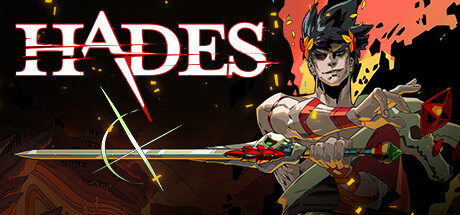
Artikel Polygon tentang Lost in Random: Eternal Die meninggalkan Game Pass menunjukkan apa yang telah banyak pemain roguelike pikirkan: gelombang pasca-Hades menghasilkan lebih banyak action roguelike yang benar-benar bagus daripada rotasi Game Pass mana pun yang masuk akal, dan pencarian jawaban untuk “apa yang harus saya mainkan setelah Hades” menjadi permanen. Hades tetap menjadi standar emas — panjang run, imbalan naratif per kegagalan, sistem blessing, voice acting — dan kebanyakan pesaing mengambil salah satu pilar ini dan menjalankannya.
Kami menguji tujuh alternatif Hades di seluruh Windows, macOS, dan Linux. Daftar ini dibangun di sekitar loop yang membuat Hades bekerja: run pendek yang terfokus, pilihan build yang bermakna, kesulitan yang meningkat, dan lapisan meta yang memberikan bentuk pada kemajuan jangka panjang. Kompatibilitas Linux dicatat per game; sebagian besar memiliki verifikasi Steam Deck.
Perbandingan cepat
| Game | Terbaik untuk | Harga | Fitur unggulan | Platform |
|---|---|---|---|---|
| Hades II | Sekuel yang jelas dari Supergiant | $29.99 | Lebih banyak Hades, sangat diperluas | Windows, macOS, Linux |
| Dead Cells | Fusi Metroidvania-roguelike | $24.99 | Kecepatan pertarungan dan variasi senjata | Windows, macOS, Linux |
| Returnal | Roguelike bullet-hell di PC | $59.99 | Loop bullet-hell orang ketiga | Windows |
| Cult of the Lamb | Roguelike dengan manajemen basis | $24.99 | Layer meta manajemen sekte | Windows, macOS, Linux |
| Risk of Rain 2 | Roguelike co-op dengan stacking item | $24.99 | Hingga empat pemain online | Windows, macOS, Linux |
| Slay the Spire | Roguelike deckbuilder | $24.99 | Template deckbuilding | Windows, macOS, Linux |
| Hyper Light Breaker | Roguelike 3D dengan fokus mobilitas | $29.99 | Pengaturan Hyper Light dalam 3D | Windows |
Mengapa “apa selanjutnya setelah Hades” adalah pertanyaannya
Thread diskusi Hades, papan komunitas Steam, dan subreddit Supergiant semuanya setuju pada daftar yang sama tentang apa yang membuat permainan bekerja:
- Panjang run yang disesuaikan sehingga upaya tunggal yang gagal bermakna, bukan menghukum — biasanya 25 hingga 40 menit
- Variasi build di mana blessing dan aspek senjata berpotongan menjadi kombo yang layak dikejar
- Imbalan naratif per run; karakter bereaksi terhadap kemajuan Anda, cabang dialog, cerita berkembang
- Kemajuan meta yang memberikan tujuan jangka panjang (upgrade Cermin, aspek senjata, Heat) tanpa membuat run baru sepele
- Rasa pertarungan di mana timing dodge, ritme serangan, dan kemampuan khusus semuanya penting
Setiap pilihan di bawah mencapai empat atau lima dari poin-poin tersebut. Hades II adalah kelanjutan paling dekat satu-untuk-satu; sisanya menafsirkan kembali potongan.
7 alternatif Hades terbaik
Hades II — sekuel paling jelas dari Supergiant
Hades II adalah sekuel langsung dari studio yang sama. Pengaturan mitologi Yunani berkembang ke dalam Dunia Bawah ditambah permukaan, pemeran meningkat tiga kali lipat, roster senjata terdiversifikasi, dan Melinoë (protagonis) memiliki rasa pertarungan yang berbeda dari Zagreus — lebih seperti penyihir, serangan lebih lambat dengan efek bermuatan, dan sumber daya sihir terpisah.
Untuk pemain Hades yang menginginkan lebih banyak Hades, ini adalah pilihan yang jelas. Loop feedback akses awal dengan Supergiant telah membentuk permainan sepanjang 2024-2025, dan rilis 1.0 memperluas sistem blessing dan senjata melampaui variasi asli.
Di mana ia jatuh pendek: Pace sedikit lebih lambat dari Hades. Beberapa pemain merindukan ritme serangan Zagreus yang lebih cepat. Zona permukaan yang diperluas menambah panjang tetapi juga beberapa lembah pacing.
Harga:
- Gratis: Tidak
- Dasar: $29.99
- vs Hades: Sedikit lebih mahal, konten jauh lebih banyak
Beralih dari Hades: Kontrol yang sama, polish studio yang sama. Pergeseran mentalitas witchcraft adalah penyesuaian utama.
Unduh: Hades II di Steam
Garis bawah: Pilih Hades II terlebih dahulu. Ia ada untuk pertanyaan yang sangat ini.
Dead Cells — fusi Metroidvania-roguelike terbaik
Dead Cells oleh Motion Twin adalah roguelike 2D yang cepat yang mendefinisikan gelombang peniru. Pertarungan sangat tajam, katalog senjata dan skill sangat besar, dan percabangan bioma berarti tidak ada dua run yang dipaksa melalui jalur yang sama. Tahun-tahun update gratis (The Queen and the Sea, Return to Castlevania, Clean Cut) terus menambah roster konten.
Untuk pemain Hades yang menginginkan ritme pertarungan yang lebih cepat dan berbeda, Dead Cells adalah pilihan top kedua genre.
Di mana ia jatuh pendek: Narasi minimal dibandingkan dengan Hades. Bioma awal dapat terasa berulang sampai Anda membuka jalur bercabang. Beberapa shift keseimbangan senjata per patch.
Harga:
- Gratis: Tidak
- Dasar: $24.99 (diskon reguler menjadi $7.99)
- vs Hades: Harga sebanding, pertarungan lebih cepat, narasi jauh lebih sedikit
Beralih dari Hades: Refleks terlebih dahulu; bersiaplah untuk belajar mati mempelajari pola musuh dan waktu senjata.
Unduh: Dead Cells di Steam
Garis bawah: Pilih Dead Cells ketika kecepatan pertarungan dan variasi senjata adalah apa yang paling Anda inginkan.
Returnal — roguelike bullet-hell terbaik di PC
Returnal oleh Housemarque adalah roguelike bullet-hell orang ketiga yang membuat lompatan PS5 dan kedatangan port PC berikutnya penting. Pertarungan adalah yang paling kinetik dalam daftar — mode senjata alt-fire, sistem parasit, item berbahaya, jejak artefak yang mengubah run. Struktur siklus/bioma bergema Hades tetapi dalam skala yang jauh lebih besar.
Untuk pemain Hades yang menginginkan lompatan grafis dan lapisan bullet-hell orang ketiga, Returnal adalah pilihan paling ambisius dalam daftar.
Di mana ia jatuh pendek: Mahal pada harga dasar. Permintaan kinerja memerlukan GPU yang cukup terkini. Masalah save-state di PS5 asli diselesaikan di PC tetapi permainan masih mengharapkan sesi multi-jam yang berkomitmen untuk run siklus terpanjang.
Harga:
- Gratis: Tidak
- Dasar: $59.99 (diskon reguler menjadi $29.99)
- vs Hades: Jauh lebih mahal, nilai produksi jauh lebih besar, run lebih lama
Beralih dari Hades: Bersiaplah untuk run yang lebih lama. Struktur siklus/bioma serupa tetapi investasi waktu per percobaan adalah 60 hingga 90 menit daripada 25 hingga 40.
Unduh: Returnal di Steam
Garis bawah: Pilih Returnal ketika bullet-hell orang ketiga dengan nilai produksi AAA adalah upgrade yang Anda inginkan.
Cult of the Lamb — roguelike terbaik dengan manajemen basis
Cult of the Lamb oleh Massive Monster memasangkan roguelike aksi dengan simulasi manajemen sekte berbasis pembangunan. Anda menjalankan dungeon, mengindoktrinasi pengikut, kembali ke basis untuk memberi makan dan mengelola sekte Anda, dan keluar lagi. Arah seni adalah kait langsung (menggemaskan-menakutkan, banyak kepribadian) dan fusi genre adalah sudut unik.
Untuk pemain Hades yang suka layer meta antara run dan menginginkannya diperluas secara dramatis, Cult of the Lamb adalah pilihan di mana meta adalah setengah dari permainan.
Di mana ia jatuh pendek: Pertarungan lebih dangkal daripada Hades atau Dead Cells. Loop manajemen sekte bersifat divisif — beberapa pemain menyukainya, beberapa menganggapnya pekerjaan.
Harga:
- Gratis: Tidak
- Dasar: $24.99 (diskon reguler menjadi $9.99)
- vs Hades: Biaya sebanding, kedalaman pertarungan lebih sedikit, konten layer meta jauh lebih banyak
Beralih dari Hades: Bersiaplah menghabiskan setengah waktu mengelola sekte antara run. Pertarungan adalah setengah permainan yang lebih mudah.
Unduh: Cult of the Lamb di Steam
Garis bawah: Pilih Cult of the Lamb ketika layer meta antara run adalah bagian dari Hades yang paling Anda inginkan.
Risk of Rain 2 — roguelike co-op terbaik dengan stacking item
Risk of Rain 2 oleh Hopoo Games adalah roguelike orang ketiga co-op di mana stacking item adalah seluruh poinnya. Ambil item yang sama sepuluh kali, itu tumpuk sepuluh kali, dan karakter Anda mulai memecahkan kurva kesulitan dengan cara yang menyenangkan. Hingga empat pemain online, varietas karakter luas, dan siklus update delapan tahun terus berlanjut menjaganya tetap hidup.
Untuk pemain Hades yang teman-temannya ingin masuk ke loop berbasis run, Risk of Rain 2 adalah pilihan co-op paling bersih dalam daftar.
Di mana ia jatuh pendek: Narasi pada dasarnya tidak ada. Voice acting dan storytelling bukanlah genre yang Hopoo berkompetisi. Run single-player lebih lemah daripada run co-op.
Harga:
- Gratis: Tidak
- Dasar: $24.99 (diskon reguler menjadi $4.99)
- vs Hades: Biaya sebanding, co-op dedicated, rasa pertarungan sangat berbeda
Beralih dari Hades: Bersiaplah untuk bermain co-op. Risk of Rain 2 solo dapat dikerjakan tetapi bukan tempat permainan bersinar.
Unduh: Risk of Rain 2 di Steam
Garis bawah: Pilih Risk of Rain 2 ketika Anda menginginkan roguelike co-op di mana stacking item adalah jokenya.
Slay the Spire — roguelike deckbuilder terbaik
Slay the Spire oleh Mega Crit adalah roguelike deckbuilder yang mendefinisikan sub-genre. Bangun dek sepanjang run dengan membuat draft kartu dari reward, relic yang memodifikasi draw/damage/curse rules Anda, dan boss yang menghukum komposisi dek yang buruk. Sistem cukup ketat sehingga permainan telah meluncurkan puluhan peniru yang sebagian besar tidak dapat mencocokkan keseimbangan asli.
Untuk pemain Hades yang menginginkan insting “optimasi build per run” yang sama dalam format berbasis giliran, Slay the Spire adalah pilihan yang mendefinisikan genre.
Di mana ia jatuh pendek: Berbasis giliran; tidak ada pertarungan aksi. Empat karakter dapat terasa membatasi sampai Anda membuka kesulitan Ascension yang lebih sulit.
Harga:
- Gratis: Tidak
- Dasar: $24.99 (diskon reguler menjadi $6.79)
- vs Hades: Harga sebanding, pertarungan dramatis berbeda, kedalaman optimasi build sama
Beralih dari Hades: Pergeseran mental besar ke pertarungan berbasis giliran. Insting optimasi build membawa sepenuhnya.
Unduh: Slay the Spire di Steam
Garis bawah: Pilih Slay the Spire ketika Anda menginginkan loop optimasi build berbasis giliran terdalam genre.
Hyper Light Breaker — roguelike 3D terbaik dengan fokus mobilitas
Hyper Light Breaker adalah tindak lanjut 3D Heart Machine terhadap Hyper Light Drifter. Pertarungan cepat dan didorong mobilitas (dash, glide, parry), struktur zona terbuka mengubah ritme run dari urutan ruang linear Hades, dan pengaturan Hyper Light akhirnya dirender dalam 3D.
Untuk pemain Hades yang menginginkan roguelike 3D dengan lapisan mobilitas yang kuat, Hyper Light Breaker adalah kecocokan terdekat dalam daftar.
Di mana ia jatuh pendek: Dirilis ke Early Access terlebih dahulu dan polish 1.0 mendarat secara bertahap. Co-op didukung tetapi populasi bervariasi. Beberapa pemain melewatkan kepadatan pixel-art 2D dari Hyper Light Drifter asli.
Harga:
- Gratis: Tidak
- Dasar: $29.99
- vs Hades: Biaya sebanding, pertarungan 3D vs 2D, rasa yang lebih didorong mobilitas
Beralih dari Hades: Bersiaplah menghabiskan jam pertama terbiasa dengan timing parry 3D dan navigasi zona terbuka. Insting ruang linear tidak membawa langsung.
Unduh: Hyper Light Breaker di Steam
Garis bawah: Pilih Hyper Light Breaker ketika pertarungan 3D dengan mobilitas yang kuat adalah upgrade yang Anda inginkan.
Cara memilih yang tepat
Jika Anda belum memainkan Hades II, instal Hades II. Ini adalah jawaban yang jelas untuk pertanyaan dan Supergiant membangunnya tepat untuk audiens Hades.
Jika Anda menginginkan pertarungan 2D yang lebih cepat dengan roster senjata yang dalam, instal Dead Cells. Jika Anda menginginkan bullet-hell orang ketiga dengan nilai produksi AAA, Returnal. Jika Anda menginginkan layer meta yang dalam antara run, Cult of the Lamb.
Jika teman-teman Anda ingin bergabung, Risk of Rain 2 adalah pilihan co-op. Jika optimasi build berbasis giliran menarik, Slay the Spire adalah deckbuilder yang mendefinisikan genre. Jika Anda menginginkan pertarungan 3D dengan mobilitas yang kuat, Hyper Light Breaker.
Putar ulang Hades pada tier Heat yang lebih tinggi jika tidak ada yang cocok. Skala Heat endgame tetap menarik melampaui kredit.
FAQ
Apa alternatif Hades gratis terbaik?
Tidak ada roguelike gratis sepenuhnya dengan polish level Hades dalam daftar ini. Have a Penny adalah proyek browser Hades-like gratis yang kredibel; Risk of Rain (rilis asli 2013) kadang-kadang turun menjadi gratis selama acara promosi Steam. Pilihan berbayar termurah adalah Risk of Rain 2 dengan harga $4.99 dalam penjualan.
Apakah Hades II lebih baik dari Hades?
Untuk pemain jangka panjang, konten yang diperluas Hades II dan pemeran yang lebih besar akhirnya melampaui asli. Untuk ketegangan dan pace, Hades 1 tetap menjadi pengalaman yang lebih terfokus. Sebagian besar pemain yang menyelesaikan keduanya memilih Hades II sebagai permainan yang lebih dalam dan Hades sebagai yang lebih elegan.
Bisakah saya bermain alternatif Hades co-op?
Risk of Rain 2 adalah pilihan co-op dedicated dalam daftar ini. Mode arena PvP Cult of the Lamb bersifat co-op-adjacent tetapi bukan loop utama. Hades, Hades II, Dead Cells, Returnal, Slay the Spire, dan Hyper Light Breaker terutama solo (Hyper Light Breaker memiliki mode co-op).
Roguelike mana yang memiliki pertarungan paling dalam?
Hades, Hades II, Dead Cells, dan Returnal bersaing untuk gelar itu tergantung pada apakah Anda menimbang kedalaman kombo (build aspek Hades), permintaan refleks (Dead Cells), kompleksitas bullet-hell (Returnal), atau pergerakan tiga dimensi (Hyper Light Breaker). Pilih berdasarkan yang terasa terbaik di tangan Anda.
Apakah Lost in Random: Eternal Die klon Hades?
Ini ada di genre yang sama luas dan berbagi loop roguelike aksi berbasis run. Arah seni dan nada berbeda — Lost in Random lebih fantasi-whimsical daripada mitologi Yunani — tetapi DNA gameplay dapat dikenali oleh pemain Hades.