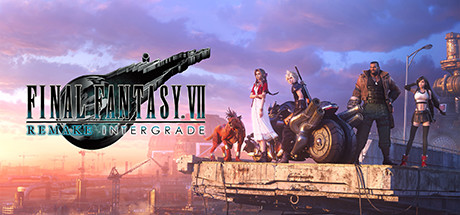
Liputan Polygon tentang trailer Final Fantasy VII Remake Part 3 membuat satu hal menjadi jelas: trilogi memiliki garis akhir, tetapi belum dekat. Pemain yang menyelesaikan Rebirth menginginkan lebih banyak energi action-RPG yang sama sekarang, bukan di 2027. Final Fantasy VII Remake Intergrade di PC masih menjadi tempat terbaik untuk mengulang seni Midgar, dan permainan baru di Hard dengan muatan materia yang terlewatkan pertama kali adalah satu pilihan, tetapi ada seluruh bangku action JRPG yang sebanding yang layak dicoba sementara itu.
Kami menguji tujuh alternatif Final Fantasy VII Remake di Windows yang berbagi fondasi intinya: pertarungan aksi sinematik, penceritaan besar-besaran, dan waktu permainan yang panjang yang memberi penghargaan kepada investasi. Genre berkisar dari action RPG murni, JRPG berbasis giliran, hingga takaran hibrida modern.
Perbandingan cepat
| Game | Terbaik untuk | Biaya | Menonjol | Tempat membeli |
|---|---|---|---|---|
| Final Fantasy VII Rebirth | Kelanjutan langsung | $69.99 | Struktur wilayah terbuka | Steam |
| Final Fantasy XVI | Action RPG sinematik | $49.99 | Set piece Eikon | Steam |
| Persona 5 Royal | Tolok ukur JRPG berbasis giliran modern | $59.99 | Sistem Confidant | Steam |
| Like a Dragon: Infinite Wealth | RPG berbasis giliran komedis | $69.99 | Kedalaman sistem Job | Steam |
| Tales of Arise | Action JRPG dengan pergantian pihak | $59.99 | Finisher Mystic Artes | Steam |
| Star Ocean: The Second Story R | Action JRPG klasik yang dibuat ulang | $49.99 | Estetika 2D-HD | Steam |
| Octopath Traveler II | JRPG berbasis giliran dengan delapan cerita | $59.99 | Sistem Break dan Boost | Steam |
Mengapa “apa yang harus saya mainkan setelah Final Fantasy VII Remake” adalah pertanyaannya
Sinyal komunitas di r/FinalFantasy dan diskusi Steam konsisten:
- Pertarungan aksi hibrida / ATB adalah bagian yang pemain rindukan paling, bukan hanya pembangunan materia
- Dinamika pihak Cloud (kit mobilitas tinggi Tifa, loop spell Aerith, kit jarak jauh Barret) menetapkan standar tinggi untuk keragaman karakter
- Pacing cerita dalam bab bersegmen merusak pemain pada presentasi JRPG sinematik
- Sistem pembangunan modular gaya materia jarang di game non-FF dan pemain menginginkan penerus
- Menunggu Part 3 berarti kurang lebih setahun bangku-warming — cukup lama untuk menyesuaikan RPG dengan anggaran besar
Setiap pilihan di bawah mengatasi satu kesenjangan itu. Pilihan satu dan dua mencakup keturunan langsung, kemudian daftar terbuka ke JRPG yang berdekatan dengan genre yang menggaruk gatal yang sama.
7 alternatif Final Fantasy VII Remake terbaik
Final Fantasy VII Rebirth — kelanjutan langsung
Final Fantasy VII Rebirth adalah pemberhentian pertama yang jelas. Ini adalah bab tengah trilogi remake, mengambil momen setelah akhir Remake dan menambahkan eksplorasi wilayah terbuka yang dibangun game asli di sekitar peta dunia. Pertarungan memperluas sistem Synergy dari Remake dengan kemampuan karakter berpasangan, dan ekspansi pemain (Yuffie, Cait Sith, Vincent) memberikan keragaman pihak langkah lain ke atas.
Bagi pemain Remake yang menginginkan pertarungan yang sama persis dengan lebih banyak jeda di antara set piece, Rebirth adalah satu-satunya pilihan langsung.
Di mana kekurangannya: Kepadatan mini-game membagi pendapat. Beberapa konten wilayah terbuka terasa seperti pengisi daftar. Bonus impor simpanan dari Remake kecil.
Harga:
- Gratis: Tidak
- Dasar: $69.99 di Steam (diskon terlihat pada Q4)
- vs Remake: Lebih mahal, lebih panjang, lebih luas
Beralih dari Remake: Berencana untuk menggunakan kemampuan Synergy dengan sengaja; mereka menghargai perencanaan komposisi pihak daripada hanya memukul keterampilan kerusakan tertinggi.
Unduh: Final Fantasy VII Rebirth di Steam
Garis bawah: Pilih Rebirth ketika Anda menginginkan sekuel langsung dan terima bahwa keluasan mini-game adalah pertukaran untuk langkah dunia terbuka.
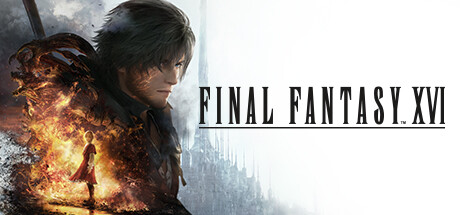
Final Fantasy XVI — action RPG sinematik terbaik
Final Fantasy XVI menghilangkan sistem pihak dan masuk ke aksi karakter tunggal dengan veteran DMC Ryota Suzuki menjalankan pertarungan. Clive Rosfield menggunakan beberapa kemampuan Eikon sekaligus, menukar kit di tengah combo untuk finisher sinematik. Set piece Eikon-vs-Eikon adalah beberapa pertarungan bos paling spektakuler di genre.
Bagi pemain Remake yang menginginkan game aksi modern Square Enix yang lain, FFXVI adalah saudara aksi-murni yang lebih murni.
Di mana kekurangannya: Tidak ada keragaman pihak; hanya satu karakter. Sidequest bisa seret di tengah-tengah. Kemajuan RPG ringan menurut standar FF.
Harga:
- Gratis: Tidak
- Dasar: $49.99 (diskon reguler menjadi $29.99)
- vs Remake: Sebanding, aksi-murni, lapisan RPG lebih ringan
Beralih dari Remake: Siklus melalui muatan Eikon di tengah pertarungan; tetap pada satu Eikon meninggalkan sebagian besar langit-langit pertarungan tidak terpakai.
Unduh: Final Fantasy XVI di Steam
Garis bawah: Pilih FFXVI ketika spektakel set piece adalah prioritas dan melewati pergantian pihak baik-baik saja.
Persona 5 Royal — tolok ukur JRPG berbasis giliran modern
Persona 5 Royal adalah JRPG berbasis giliran modern yang paling banyak pemain ukur orang lain. Atlus memasangkan pengaturan sekolah menengah Tokyo yang bergaya dengan sistem pertarungan crawler ruang bawah tanah, kemudian melapisi mekanik hubungan Confidant untuk membuat setiap interaksi sosial investasi stat. Ekspansi Royal menambahkan istilah ekstra penuh dan ruang bawah tanah terkuat di game.
Bagi pemain Remake yang menginginkan pembersih palet berbasis giliran dari studio berbeda yang melakukan JRPG modern di puncak permainannya, Royal adalah pilihannya.
Di mana kekurangannya: Waktu bermain sangat besar (100+ jam untuk run lengkap). Pengaturan tidak akan cocok untuk setiap pemain. Kedalaman pertarungan mencapai puncak awal dan plateau.
Harga:
- Gratis: Tidak
- Dasar: $59.99 (diskon reguler menjadi $19.79)
- vs Remake: Sebanding, lebih lambat, jauh lebih panjang
Beralih dari Remake: Berkomitmen pada perencanaan tautan sosial lebih awal. Membangun hubungan Confidant mengubah Persona mana yang dapat Anda leleh nanti dalam kampanye.
Unduh: Persona 5 Royal di Steam
Garis bawah: Pilih Persona 5 Royal ketika Anda menginginkan standar emas JRPG berbasis giliran modern dan memiliki 100 jam untuk berkomitmen.
Like a Dragon: Infinite Wealth — RPG berbasis giliran komedis
Like a Dragon: Infinite Wealth adalah RGG Studio pada puncak berbasis gilirannya. Busur Hawaii Ichiban Kasuga berlapis sistem Job mendalam (Aquanaut, Samurai, Linebacker, puluhan lainnya) di atas pertarungan pihak dengan penentuan posisi dan kecocokan elemen, dan konten samping cocok dengan cerita utama dalam volume. Nada berayun dari absurd hingga tulus serius pada kecepatan beberapa game mencoba.
Bagi pemain Remake yang siap untuk sistem berbasis giliran dengan keragaman karakter, Infinite Wealth adalah pengambilan paling modern pada struktur pertarungan FF klasik.
Di mana kekurangannya: Newcomer seri dapat memantul dari whiplash nada. Aktivitas samping bisa menarik fokus dari cerita utama. Beberapa sinergi Job memerlukan grinding.
Harga:
- Gratis: Tidak
- Dasar: $69.99 (diskon reguler menjadi $39.99)
- vs Remake: Sebanding, berbasis giliran, konten samping berat
Beralih dari Remake: Sistem Job menghargai eksperimen. Pekerjaan optimal Ichiban jarang yang jelas.
Unduh: Like a Dragon: Infinite Wealth di Steam
Garis bawah: Pilih Infinite Wealth ketika RPG berbasis giliran dengan kedalaman pihak-job dan kemiringan komedis adalah swap yang Anda inginkan.
Tales of Arise — action JRPG dengan pergantian pihak
Tales of Arise adalah reinvensi paling sukses seri Tales. Bandai Namco memodernisasi sistem pertarungan gerak linier menjadi sesuatu yang terasa lebih dekat ke campuran action-ATB Remake, dan pihak enam karakter dengan pergantian on-the-fly membawa hal terdekat dengan ritme Cloud-Tifa-swap di luar trilogi FF7 itu sendiri.
Bagi pemain Remake yang menginginkan pertarungan aksi JRPG berkelanjutan dengan cast berbeda, Arise adalah alternatif pergantian pihak terdekat.
Di mana kekurangannya: Tindakan tengah kehilangan beberapa pacing. Sidequest berat pengisi. Harga DLC telah menarik kritik.
Harga:
- Gratis: Tidak
- Dasar: $59.99 (diskon reguler menjadi $11.99)
- vs Remake: Lebih murah saat diskon, waktu sebanding, ritme pihak serupa
Beralih dari Remake: Artes setiap karakter disesuaikan di sekitar tipe musuh tertentu. Rencanakan pihak Anda untuk bab daripada menjalankan lineup default.
Unduh: Tales of Arise di Steam
Garis bawah: Pilih Tales of Arise ketika pergantian pihak aksi dengan finisher Mystic Arte adalah bagian Remake yang ingin Anda lanjutkan.
Star Ocean: The Second Story R — action JRPG klasik yang dibuat ulang
Star Ocean: The Second Story R adalah remake 2D-HD dari klasik PS1 1998. Square Enix dan Gemdrops menjaga struktur protagonis ganda bercabang asli (dua permainan terpisah sepenuhnya berdasarkan karakter awal) sambil memodernisasi sistem pertarungan real-time dan visual.
Bagi pemain Remake yang penasaran tentang genre action JRPG era PS1 yang mempengaruhi evolusi FF, Star Ocean 2R adalah entri paling halus ke dalam garis keturunan.
Di mana kekurangannya: Nada cerita ketinggalan zaman di tempat-tempat meskipun penggilingan remake. Beberapa aktivitas samping tidak menua sebaik pertarungan. Akting suara kontroversial.
Harga:
- Gratis: Tidak
- Dasar: $49.99 (diskon reguler menjadi $24.49)
- vs Remake: Lebih murah, lebih pendek per rute, dua permainan yang sepenuhnya berbeda
Beralih dari Remake: Cabang perekrutan karakter menutup kombinasi pihak seluruh. Cari aturan perekrutan sebelum mengunci pihak Anda.
Unduh: Star Ocean: The Second Story R di Steam
Garis bawah: Pilih Star Ocean 2R ketika Anda menginginkan action JRPG era PS1 yang disempurnakan dengan nilai pemutaran dua rute.
Octopath Traveler II — JRPG berbasis giliran dengan delapan cerita
Octopath Traveler II membawa gaya 2D-HD yang mendefinisikan Star Ocean 2R kembali ke asalnya, dengan delapan protagonis yang masing-masing menjalankan kampanye empat bab mereka sendiri yang menyatu dalam permainan akhir. Sistem Break dan Boost adalah mekanik pertarungan berbasis giliran paling bersih yang Square Enix telah kirimkan dalam bertahun-tahun, menghargai perencanaan di sekitar kelemahan musuh setiap putaran.
Bagi pemain Remake yang menginginkan throwback berbasis giliran yang menghormati waktu dan IQ pertarungan mereka, Octopath II adalah pilihan berbasis giliran murni terkuat di daftar ini.
Di mana kekurangannya: Delapan cerita terpisah berarti busur karakter tidak merata. Konten permainan akhir bersama dapat terasa belum matang. Akting suara sebagian.
Harga:
- Gratis: Tidak
- Dasar: $59.99 (diskon reguler menjadi $29.99)
- vs Remake: Lebih murah saat diskon, berbasis giliran, struktur antologi
Beralih dari Remake: Pilih karakter awal yang kait bab 1 meraih Anda; jam-jam awal bergantung pada menyukai lengkung pembukaan itu.
Unduh: Octopath Traveler II di Steam
Garis bawah: Pilih Octopath II ketika pertarungan berbasis giliran dengan sistem Break tajam adalah throwback genre yang ingin Anda mainkan.
Cara memilih yang tepat
Jika Anda belum memainkannya, Final Fantasy VII Rebirth adalah satu-satunya kelanjutan langsung dan pemberhentian pertama yang jelas. Jika Anda menyelesaikan Rebirth dan menginginkan game aksi modern Square Enix yang lain, Final Fantasy XVI adalah pilihan aksi-murni sinematik.
Jika Anda menginginkan JRPG berbasis giliran dengan nilai produksi tertinggi, Persona 5 Royal adalah tolok ukur genre. Jika Anda menginginkan sistem berbasis giliran dengan komedis dan toolkit Job mendalam, Like a Dragon: Infinite Wealth memperdagangkan gloss Atlus untuk pekerjaan karakter RGG.
Jika Anda menginginkan pertarungan aksi dengan pergantian pihak yang memetakan paling dekat ke jongling Cloud-Tifa-Aerith, Tales of Arise adalah pertandingan alami. Jika Anda menginginkan sejarah action JRPG era PS1 dimodernisasi, Star Ocean: The Second Story R adalah remake paling bersih.
Jika sistem berbasis giliran tajam dengan penceritaan antologi adalah pertukaran yang Anda inginkan, Octopath Traveler II memberi penghargaan kepada IQ pertarungan setiap pertarungan.
Tetap bersama trilogi Remake ketika mode Hard New Game+, muatan materia yang Anda lewatkan, atau DLC Intermission Yuffie masih memiliki kait. Part 3 sedang dalam perjalanan tetapi belum dekat.
FAQ
Apa alternatif Final Fantasy VII Remake gratis terbaik?
Tidak ada alternatif gratis penuh dalam braket action JRPG modern yang sama. Tales of Arise dan Octopath Traveler II keduanya turun berat pada penjualan Steam (di bawah $15 telah terjadi untuk keduanya), yang terdekat dengan entri anggaran ke dalam genre.
Apakah Final Fantasy XVI lebih baik daripada Final Fantasy VII Remake?
Untuk aksi sinematik murni dan spektakel Eikon-vs-Eikon, XVI sulit dikalahkan. Untuk pertarungan berbasis pihak, keragaman karakter, dan sistem pembangunan materia, Remake tetap di depan. Mereka duduk terbaik sebagai potongan pendamping.
Haruskah saya bermain FF7 Remake atau Rebirth terlebih dahulu?
Mainkan Remake terlebih dahulu. Rebirth mengasumsikan Anda mengetahui cast Midgar dan referensi peristiwa yang mendarat berbeda di kedua game. Impor simpanan dari Remake juga membuka bonus kecil Rebirth.
Apa alternatif Final Fantasy VII Remake termurah?
Tales of Arise secara teratur turun ke sekitar $11.99 dalam penjualan Steam. Persona 5 Royal turun ke sekitar $19.79. Keduanya memberikan kampanye 40+ jam dengan sebagian kecil dari harga rilis baru JRPG.
Kapan Final Fantasy VII Remake Part 3 akan dirilis?
Liputan trailer Polygon mengkonfirmasi proyek tetapi tidak mengunci tanggal rilis. Konsensus industri menempatkan peluncuran di 2027 atau lebih baru, dengan jendela PS5-first sebelum port PC mengikuti pola Rebirth.