Liputan Polygon tentang ungkapan Crossfire baru dari That’s No Moon membuat ambisi PC franchise itu jelas: tim bekas pengembang Modern Warfare menargetkan puncak cover-shooter. Crossfire yang ada dari Smilegate di Steam adalah entri PC modern franchise, tetapi genre telah berkembang menjadi salah satu bracket multiplayer paling kompetitif di PC, dan pemain yang menyukai energi FPS taktis memiliki banyak pilihan. Kami menguji tujuh alternatif Crossfire di Windows yang berbagi DNA-nya: permainan kompetitif berbasis putaran, ekonomi senjata, dan ritme membaca lawan yang mendefinisikan genre.
Daftar ini mencampur penembak taktis murni 5v5, penembak pahlawan dengan kedalaman FPS, pengalaman medan pertempuran berskala besar, dan satu battle royale yang menggores gatal yang sama untuk kompetisi. Catatan harga dan netcode disebut.
Perbandingan cepat
| Game | Terbaik untuk | Biaya | Menonjol | Dimana membeli |
|---|---|---|---|---|
| Counter-Strike 2 | Benchmark FPS taktis 5v5 | Gratis | Sub-tick netcode | Steam |
| Valorant | Hero shooter dengan FPS taktis | Gratis | Kemampuan agen | Riot client |
| Apex Legends | Battle royale dengan kedalaman FPS | Gratis | Sistem gerakan | Steam |
| Rainbow Six Siege | FPS dengan lingkungan yang dapat dihancurkan | Gratis / $19.99 | Permainan gadget operator | Steam, Ubisoft |
| The Finals | Penembak arena yang dapat dihancurkan | Gratis | Mode turnamen Cashout | Steam |
| Battlefield 2042 | Medan pertempuran tim besar | $59.99 | Penaklukan pemain 128 | Steam |
| Call of Duty: Warzone | Battle royale AAA modern | Gratis | Progres silang dengan MW | Battle.net, Steam |
Mengapa “apa yang harus saya mainkan setelah Crossfire” adalah pertanyaannya
Utas berulang pada papan komunitas Crossfire dan r/FPS:
- Ekonomi senjata berbasis putaran Crossfire jarang; Counter-Strike 2 adalah satu-satunya game yang melakukannya dengan kedalaman yang sebanding
- Pemain FPS taktis menginginkan netcode yang sesuai dengan input mereka; rilis modern telah menaikkan standar
- Basis pemain Crossfire terkonsentrasi secara regional; beberapa pemain menginginkan game dengan matchmaking Barat yang lebih kuat
- Pembagian antara cover-shooter dan tactical-shooter penting — beberapa pemain Crossfire menginginkan pure aim, yang lain menginginkan utilitas
- Menunggu reboot Crossfire baru dari That’s No Moon memanjang ke tahun depan
Setiap pilihan di bawah mengatasi salah satu utas itu. Dua yang pertama adalah puncak modern genre. Pilihan tengah memperluas pengalaman FPS. Pilihan terakhir menambahkan opsi skala medan pertempuran.
7 alternatif Crossfire terbaik
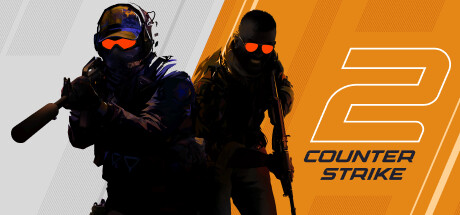
Counter-Strike 2 — benchmark FPS taktis 5v5 terbaik
Counter-Strike 2 oleh Valve adalah referensi modern genre dan sepupu mekanis terdekat dengan Crossfire. Ekonomi senjata berbasis putaran (fase pembelian, putaran eco, force buy) adalah loop yang sama, bracket kompetitif 5v5 adalah yang terdalam dalam gaming PC, dan upgrade netcode sub-tick di CS2 membuat input mendarat lebih konsisten daripada sistem tick-rate CSGO.
Untuk pemain Crossfire yang menginginkan puncak kompetitif genre, CS2 adalah satu-satunya jawaban jujur.
Di mana ini kurang: Ekonomi skin dapat terasa mengganggu. Matchmaking kasual dapat tidak konsisten. Beberapa perubahan asap dan gerakan dari CSGO membagi pemain jangka panjang.
Harga:
- Gratis: Ya, termasuk permainan ranking
- Berbayar: Langganan Prime Status, skin
- vs Crossfire: Gratis, adegan kompetitif Barat yang jauh lebih besar
Beralih dari Crossfire: Pola spray berbeda. Habiskan satu jam di workshop deathmatch / map pelatihan tujuan komunitas sebelum Anda antrean ranking.
Unduh: Counter-Strike 2 di Steam
Garis bawah: Pilih CS2 ketika puncak kompetitif 5v5 terdalam genre adalah prioritasnya.
Valorant — hero shooter dengan FPS taktis
Valorant oleh Riot Games adalah FPS taktis dengan kemampuan agen berlapis di atas. Struktur putaran 5v5 serupa dengan CS / Crossfire, tetapi kemampuan setiap agen (dinding Sage, perangkap Cypher, mobilitas Jett) mengubah lapisan taktis setiap putaran. Netcode yang ramah rollback (server 128-tick) adalah yang paling disesuaikan dari FPS gratis apa pun.
Untuk pemain Crossfire yang menginginkan FPS taktis dengan lapisan utilitas, Valorant adalah pilihan paling modern.
Di mana ini kurang: Anti-cheat memerlukan akses driver tingkat kernel (Vanguard), yang ditolak beberapa pemain. Klien Riot adalah ekosistemnya sendiri. Beberapa agen terasa kurang dihargai dalam patch saat ini.
Harga:
- Gratis: Ya, termasuk permainan ranking
- Berbayar: Kontrak agen, skin senjata
- vs Crossfire: Gratis, adegan Barat yang lebih besar, agen mengubah lapisan strategi
Beralih dari Crossfire: Pilih peran Initiator atau Sentinel untuk 50 jam pertama Anda. Mereka memberi penghargaan pada FPS aim dan game-sense, bukan kemampuan micro-mechanic.
Unduh: Valorant di Riot
Garis bawah: Pilih Valorant ketika FPS taktis dengan kemampuan agen dan netcode FPS gratis terbaik adalah prioritasnya.
Apex Legends — battle royale dengan kedalaman FPS
Apex Legends oleh Respawn adalah battle royale dengan mekanik FPS yang paling dalam. Struktur squad 3v3, sistem gerakan (slide-jumping, tap-strafing), dan kemampuan Legend memberikan setiap pertandingan tiga lapisan keterampilan yang berbeda. Gunplay khususnya (recoil, time-to-kill, variety senjata) adalah gunplay BR terdekat dengan FPS tradisional.
Untuk pemain Crossfire yang menginginkan battle royale yang menghormati mekanik FPS, Apex adalah pilihan yang paling jelas.
Di mana ini kurang: Skill ceiling gerakan dapat terasa eksklusif. Beberapa perubahan meta musiman membagi pemain jangka panjang. Masalah anti-cheat EAC telah terjadi selama handoff platform.
Harga:
- Gratis: Ya
- Berbayar: Mata uang Legend, battle pass
- vs Crossfire: Gratis, format BR, gerakan yang lebih dalam secara mekanis
Beralih dari Crossfire: Gerakan adalah seluruh bulan pertama. Pelajari slide-jumping dan wall-bouncing di firing range sebelum Anda antrean ranking.
Unduh: Apex Legends di Steam
Garis bawah: Pilih Apex Legends ketika battle royale dengan lapisan gerakan paling dalam genre adalah pertukaran yang Anda inginkan.
Rainbow Six Siege — FPS dengan lingkungan yang dapat dihancurkan
Rainbow Six Siege oleh Ubisoft adalah FPS taktis yang paling didefinisikan oleh penghancuran lingkungan. Setiap dinding, plafon, dan lantai dapat ditembus, yang membuat pembagian peran penyerang-pembela seluruh strategi permainan. Gadget operator mendefinisikan taktik putaran demi putaran dengan cara yang lebih dalam daripada kemampuan agen Valorant.
Untuk pemain Crossfire yang menginginkan FPS taktis dengan penghancuran lingkungan sebagai mekanik inti, Siege adalah referensi genre.
Di mana ini kurang: Kurva pembelajaran yang curam; pemain baru berjuang selama berminggu-minggu. Roster operator besar dan menakutkan. Anti-cheat telah dipatchkan.
Harga:
- Gratis: Ya (akses Standard Edition free-to-play)
- Berbayar: Year 1 / Operator Edition $19.99 untuk membuka semua operator dasar
- vs Crossfire: Entri gratis, penghancuran lingkungan unik untuk genre
Beralih dari Crossfire: Pelajari satu Pembela terlebih dahulu; rotasi dan penempatan gadget adalah skill ceiling menengah permainan.
Unduh: Rainbow Six Siege di Steam
Garis bawah: Pilih Rainbow Six Siege ketika FPS taktis dengan lingkungan yang dapat dihancurkan dengan permainan gadget yang dalam adalah apa yang Anda inginkan.
The Finals — penembak arena yang dapat dihancurkan
The Finals oleh Embark Studios adalah penembak arena yang dapat dihancurkan yang membawa FPS gaya turnamen ke audiens baru. Squad tiga pemain bersaing dalam putaran turnamen cash-grab dengan penghancuran lingkungan penuh (seluruh lantai bangunan dapat runtuh), dan loadout berbasis kelas (Light, Medium, Heavy) memberikan setiap pertandingan tiga lapisan gameplay yang berbeda.
Untuk pemain Crossfire yang menginginkan penembak arena dengan FPS aim, chaos lingkungan, dan struktur turnamen, The Finals adalah pilihan paling inovatif.
Di mana ini kurang: Pace dapat terasa kacau dibandingkan dengan FPS taktis berbasis putaran. Beberapa perubahan keseimbangan membagi pemain. Cheating telah menjadi kekhawatiran komunitas di bracket atas.
Harga:
- Gratis: Ya
- Berbayar: Multibucks (cosmetics, battle pass)
- vs Crossfire: Gratis, format arena-tournament, destruction-driven
Beralih dari Crossfire: Identitas kelas penting; tim Light-only mendapat rolling oleh komposisi seimbang. Campur Light, Medium, Heavy untuk ranking.
Unduh: The Finals di Steam
Garis bawah: Pilih The Finals ketika penembak FPS tournament arena yang dapat dihancurkan adalah perubahan format yang Anda inginkan.
Battlefield 2042 — medan pertempuran tim besar
Battlefield 2042 oleh DICE adalah FPS tim besar yang mengisi slot yang tidak diisi penembak berbasis putaran. Peta Conquest 128-pemain, combat kendaraan (jet, helikopter, tank), dan mode Portal (pertandingan khusus dengan konten Battlefield klasik) memberikan permainan loop ekor panjang setelah pertandingan 128-pemain utama.
Untuk pemain Crossfire yang menginginkan combat FPS skala besar sebagai ganti 5v5 berbasis putaran, BF2042 adalah pilihan terkuat.
Di mana ini kurang: Penerimaan peluncuran kasar; patch telah meningkatkan pengalaman tetapi beberapa pemain belum kembali. Sistem Specialist menggantikan kelas tradisional dan membagi opini. Populasi server bervariasi menurut wilayah.
Harga:
- Gratis: Tidak (liburan gratis sesekali)
- Dasar: $59.99 (diskon reguler ke $4.99)
- vs Crossfire: Basis berbayar, skala jauh lebih besar per pertandingan
Beralih dari Crossfire: Permainan kendaraan adalah setengah permainan. Habiskan jam di Conquest sebagai penembak kendaraan sebelum menerbangkan Anda sendiri.
Unduh: Battlefield 2042 di Steam
Garis bawah: Pilih Battlefield 2042 ketika FPS 128-pemain dengan kendaraan adalah perubahan skala yang Anda inginkan.
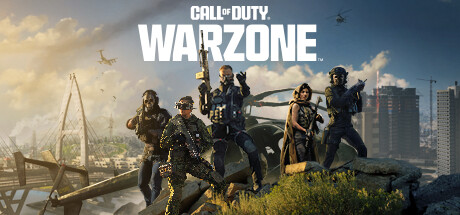
Call of Duty: Warzone — battle royale AAA modern
Call of Duty: Warzone oleh Activision adalah battle royale AAA modern dengan progres silang terkuat ke rilis mainline Call of Duty. Mode Resurgence (peta lebih kecil, respawn lebih cepat) adalah ritme BR terdekat dengan putaran FPS tradisional, dan gunsmith dari game MW utama berarti eksperimen weapon-build berjalan dalam.
Untuk pemain Crossfire yang menginginkan nuansa CoD modern dalam battle royale, Warzone adalah opsi AAA paling dimoles genre.
Di mana ini kurang: Jejak penyimpanan sangat besar. Anti-cheat telah memiliki patch berkelanjutan. Beberapa perubahan meta senjata musiman terasa tidak seimbang.
Harga:
- Gratis: Ya
- Berbayar: Battle pass, game dasar MW untuk progres penuh
- vs Crossfire: Gratis, format BR, kedalaman gunsmith
Beralih dari Crossfire: Resurgence adalah mode yang lebih baik untuk permainan yang berfokus pada FPS. Battle royale BR standar memberi penghargaan pada kesabaran yang pelatihan Crossfire tidak mempersiapkan Anda.
Unduh: Call of Duty: Warzone di Steam
Garis bawah: Pilih Call of Duty: Warzone ketika battle royale AAA dengan penyesuaian gunsmith yang dalam adalah apa yang Anda inginkan.
Cara memilih yang tepat
Jika Anda menginginkan referensi kompetitif 5v5 genre dengan ekonomi terdalam dan ceiling aim, instal Counter-Strike 2. Ini adalah jawaban Crossfire-adjacent langsung dan gratis.
Jika Anda menginginkan FPS taktis dengan utilitas berlapis di atas, Valorant adalah pilihan paling modern. Jika battle royale dengan kedalaman FPS dan lapisan gerakan terbaik adalah pertukaran, Apex Legends adalah kecocokan paling jelas.
Jika FPS lingkungan yang dapat dihancurkan dengan permainan gadget yang dalam adalah sudutnya, Rainbow Six Siege adalah referensi genre. Jika penembak tournament arena yang dapat dihancurkan adalah format yang Anda inginkan, The Finals adalah opsi paling inovatif.
Jika FPS skala besar 128-pemain dengan kendaraan adalah perubahan skala, Battlefield 2042 memberikan. Jika battle royale AAA dengan kedalaman gunsmith adalah prioritas, Call of Duty: Warzone menjalankan standar.
Tetap bersama Crossfire ketika basis pemain regional dan ungkapan Crossfire baru That’s No Moon masih memiliki hook. Franchise berinvestasi dalam PC lebih keras dari yang pernah dilakukannya dalam bertahun-tahun.
FAQ
Apa alternatif Crossfire gratis terbaik?
Counter-Strike 2 dan Valorant adalah opsi gratis terkuat genre. CS2 memiliki adegan kompetitif terdalam; Valorant memiliki onboarding tutorial terbaik dan netcode modern. Apex Legends mencakup sisi BR, dan Warzone mencakup sudut AAA-BR. The Finals menambahkan alternatif arena.
Apakah Counter-Strike 2 lebih sulit daripada Crossfire?
Untuk ekonomi putaran dan taktik tingkat tim, CS2 sebanding. Untuk mekanik aim dan kontrol spray, pola recoil CS2 lebih dalam dan kurang pemaaf. Sebagian besar pemain Crossfire beradaptasi dalam beberapa minggu; tangga ranking memiliki lebih banyak ruang di atas daripada di bawah.
Bisakah saya memainkan Crossfire di Mac atau Linux?
Tidak. Crossfire di Steam hanya Windows. Beberapa laporan komunitas tentang menjalankannya melalui Proton ada, tetapi dukungan tidak resmi. Tidak ada alternatif dalam daftar ini yang mengirimkan dukungan Mac resmi, meskipun beberapa bekerja dengan baik di bawah Proton di Linux / Steam Deck (Apex Legends dan The Finals adalah pengecualian yang menonjol karena anti-cheat).
Apa alternatif Crossfire berbayar termurah?
Battlefield 2042 turun ke $4.99 dalam penjualan Steam. Rainbow Six Siege Standard Edition secara teknis gratis; Operator Edition adalah entri berbayar termurah di $19.99 saat didiskon.
Kapan Crossfire baru dari That’s No Moon dirilis?
Unveil Polygon Summer Game Fest mengkonfirmasi proyek tetapi tidak mengunci tanggal rilis. Konsensus industri menempatkan peluncuran pada 2027 dengan That’s No Moon sebagai pengembang dan Smilegate / Tencent dalam kemitraan penerbitan.