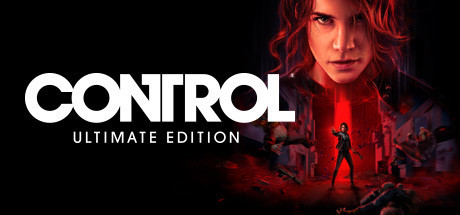
Pratinjau langsung Polygon mengkonfirmasi bahwa Control Resonant adalah sekuel yang lebih berani dari yang diharapkan, tetapi rilis penuh masih jauh di depan dan Control Ultimate Edition telah menjadi satu-satunya cara untuk menggaruk gatal aksi paranormal orang ketiga yang eksak sejak 2019. The Oldest House bertahan hingga playthrough ketiga, tetapi Remedy telah membangun alam semesta yang terhubung (Alan Wake 2 terhubung, Quantum Break dan mesin Northlight berbagi DNA) dan ada beberapa permainan PC lain yang mencapai saraf serupa.
Kami menguji tujuh alternatif Control di Windows yang berbagi DNA-nya: aksi orang ketiga dengan kekuatan telekinetik, penceritaan paranormal, arsitektur surealis, dan narasi metatekstual gaya Remedy. Daftar berjalan dari keturunan Remedy langsung melalui sim imersi dan satu pencilan yang menciptakan energi aksi-ritme.
Perbandingan cepat
| Permainan | Terbaik untuk | Biaya | Menonjol | Di mana membeli |
|---|---|---|---|---|
| Alan Wake 2 | Saudara Alam Semesta Remedy Terhubung | $49.99 | Kisah ganda Saga dan Alan | Steam, Epic |
| Quantum Break | Aksi orang ketiga dengan kekuatan waktu | $29.99 | Mekanik Stutter / pembekuan waktu | Steam |
| Returnal | Aksi orang ketiga roguelike | $59.99 | Sistem reload Adrenaline | Steam |
| Atomic Heart | Penembak sains fiksi Soviet | $59.99 | Sistem kekuatan sarung tangan | Steam |
| Prey (2017) | Sim imersi dengan kekuatan Mimic | $29.99 | Pohon kemampuan Neuromod | Steam |
| Death Stranding | Aksi sains fiksi auteur | $39.99 | Multipemain asinkron | Steam |
| Hi-Fi Rush | Aksi karakter ritme | $29.99 | Pertarungan tersinkronisasi irama | Steam |
Mengapa “apa yang harus saya mainkan setelah Control” adalah pertanyaannya
Sinyal komunitas di r/ControlGame dan diskusi Steam:
- The Service Weapon (Pierce, Shatter, Spin, Charge, Grip) dan kombinasi telekinesis jarang. Sebagian besar permainan aksi melakukan satu atau yang lain; Control melakukan keduanya
- Arsitektur brutalis The Oldest House dan penceritaan metatekstual adalah inti dari daya tarik
- Alam Semesta Remedy Terhubung (tautan Alan Wake eksplisit) berarti penggemar ingin mengikuti benang maju
- Kasus samping dan ekspansi AWE / Foundation memperpanjang permainan; pemain yang menyelesaikannya menginginkan lebih dalam alam semesta yang sama
- Kamera orang ketiga dan nada “Americana aneh dengan ancaman paranormal” adalah sub-genre kecil
Setiap pilihan di bawah mengatasi cara spesifik Control berhenti menggaruk gatal. Dua pertama adalah lanjutan langsung Remedy. Pilihan tengah memperluas genre. Dua terakhir meregang keluar tetapi tetap berada dalam braket aksi orang ketiga / nada aneh.
7 alternatif Control terbaik
Alan Wake 2 — saudara Alam Semesta Remedy Terhubung terbaik
Alan Wake 2 adalah sekuel langsung ke Alan Wake dan pengikat Alam Semesta Remedy Terhubung paling eksplisit ke Control. Struktur protagonis ganda Saga Anderson dan Alan Wake berjalan sekitar 20 jam, dan geografi Bright Falls / The Dark Place menghubungkan kembali ke The Oldest House Control dengan cara yang ekspansi AWE telah siapkan.
Untuk pemain Control yang ingin melanjutkan busur Alam Semesta Remedy Terhubung secara langsung, Alan Wake 2 adalah satu-satunya pilihan dalam daftar ini.
Di mana ia jatuh pendek: Ritme lebih lambat dari Control. Beberapa pekerjaan puzzle membagi pendapat. Struktur protagonis ganda dapat terasa tidak merata.
Harga:
- Free: No
- Base: $49.99 (regular discounts to $29.99)
- vs Control: Comparable, slower-paced, narrative-heavier
Beralih dari Control: Harapkan lebih banyak pemecahan puzzle dan sedikit pertarungan. Mekanik Mind Place (mengatur ulang petunjuk di papan gabus) adalah inti dari permainan Saga.
Unduh: Alan Wake 2 di Steam
Garis bawah: Pilih Alan Wake 2 ketika Alam Semesta Remedy Terhubung adalah benang yang ingin Anda ikuti.
Quantum Break — aksi orang ketiga dengan kekuatan waktu
Quantum Break adalah permainan Remedy yang datang sebelum Control dan meletakkan banyak filosofi mesin Northlight. Kekuatan waktu Jack Joyce (Stutter, Shield, Echo, Dodge, Blast) adalah nenek moyang spiritual kit telekinesis Jesse Faden, dan ritme cover-shooter orang ketiga adalah DNA Remedy yang sama.
Untuk pemain Control yang menginginkan lebih dari warisan aksi orang ketiga Remedy, Quantum Break adalah pencocokan pra-Control terdekat.
Di mana ia jatuh pendek: Segmen TV aksi langsung antara bab membagi pendapat. Percabangan cerita dangkal. Beberapa desain pertemuan terasa ketinggalan zaman.
Harga:
- Free: No
- Base: $29.99 (regular discounts to $9.89)
- vs Control: Cheaper, shorter, more cover-shooter
Beralih dari Control: Mekanik time-stutter adalah dodgenya; pelajari waktunya terlebih dahulu. Beberapa pertarungan bos mengharapkan Anda untuk menghubungkan Stutter ke Blast.
Unduh: Quantum Break di Steam
Garis bawah: Pilih Quantum Break ketika Anda ingin pendekatan pre-Control Remedy tentang kekuatan waktu dan cover shooting.
Returnal — aksi orang ketiga roguelike terbaik
Returnal oleh Housemarque (studio PlayStation Studios) adalah aksi orang ketiga terdekat dengan penceritaan paranormal. Loop Selene di Atropos adalah roguelike, tetapi kamera orang ketiga, reload Adrenaline (reload yang tepat waktu meningkatkan kerusakan), dan arsitektur alien surealis semua mencapai tombol yang berdekatan dengan Control.
Untuk pemain Control yang bersedia menukar cerita linier dengan loop roguelike, Returnal adalah aksi orang ketiga plafon tertinggi dengan vibes paranormal.
Di mana ia jatuh pendek: Lintasan Roguelike tidak kenal ampun (satu slot penyimpanan penuh, tidak ada restart mudah di tengah siklus). Kinerja PC telah diperbaiki tetapi masih tidak merata. Cerita terfragmentasi.
Harga:
- Free: No
- Base: $59.99 (regular discounts to $29.99)
- vs Control: Comparable, roguelike loop, similar paranormal tone
Beralih dari Control: Rencanakan di sekitar sistem parasit (efek baik dan buruk dari parasit yang dikumpulkan). Lapisan risiko-hadiah adalah seluruh akhir permainan.
Unduh: Returnal di Steam
Garis bawah: Pilih Returnal ketika aksi orang ketiga dengan suasana alien surealis dan perkembangan roguelike adalah pertukaran yang Anda inginkan.
Atomic Heart — penembak sains fiksi Soviet
Atomic Heart oleh Mundfish adalah penembak sains fiksi estetika Soviet yang terinspirasi jelas dari BioShock dan Control. Kekuatan sarung tangan (telekinesis, freeze, shock) adalah sepupu langsung dari kemampuan peluncuran Jesse, desain lingkungan cenderung ke arah “arsitektur aneh sebagai karakter” dengan cara yang dilakukan The Oldest House, dan arena akhir permainan menggabungkan beberapa sekolah kemampuan dalam desain pertemuan.
Untuk pemain Control yang menginginkan penembak yang berdekatan dengan Control dengan pengaturan yang sama sekali berbeda, Atomic Heart adalah opsi paling berbeda.
Di mana ia jatuh pendek: Pacing cerita tidak merata. Beberapa desain bos menggambar dari klise genre. DLC telah menerima penerimaan campuran.
Harga:
- Free: No
- Base: $59.99 (regular discounts to $19.79)
- vs Control: Comparable, more linear, similar power-shooter rhythm
Beralih dari Control: Pertukaran kekuatan sarung tangan adalah pertarungan mid-. Latih siklus pada musuh awal sebelum arena yang lebih tangguh.
Unduh: Atomic Heart di Steam
Garis bawah: Pilih Atomic Heart ketika Anda ingin mengambil sains fiksi Soviet pada formula power-shooter.
Prey (2017) — sim imersi terbaik dengan kekuatan Mimic
Prey (2017) oleh Arkane Studios adalah sim imersi yang menggaruk gatal Control “arsitektur aneh dan kekuatan” yang paling dalam. Talos I adalah sepupu spiritual The Oldest House, pohon kemampuan Neuromod mencakup kekuatan (Mimic Matter, Kinetic Blast, Lift Field) yang bermain hampir identik dengan Service Weapon dan telekinesis Control, dan jalan alternatif melalui setiap pertemuan memberikan perasaan “Saya menyelesaikan ini berbeda dari teman saya”.
Untuk pemain Control yang menginginkan kedalaman sim imersi dengan ekspresi kekuatan yang sebanding, Prey adalah pilihan terdalam.
Di mana ia jatuh pendek: Ritme lebih lambat dari Control. Beberapa pertemuan Mimic membuat frustrasi. DLC Mooncrash bagus tetapi menambahkan lapisan roguelike yang tidak semua orang inginkan.
Harga:
- Free: No
- Base: $29.99 (regular discounts to $7.49)
- vs Control: Cheaper, more immersive-sim, similar powers feel
Beralih dari Control: Pilih jalan Neuromod Anda lebih awal; kekuatan alien mengunci respons Neuromod manusia dalam beberapa pertemuan dan sebaliknya.
Unduh: Prey di Steam
Garis bawah: Pilih Prey (2017) ketika Anda menginginkan kedalaman sim imersi dengan kekuatan dan arsitektur yang berdekatan dengan Control.
Death Stranding — aksi sains fiksi auteur
Death Stranding oleh Kojima Productions adalah aksi sains fiksi paling auteur dalam daftar ini. Pengiriman Sam Porter Bridges di seluruh Amerika pasca-apokaliptik lebih lambat dari Control, tetapi pembangunan dunia surealis, multipemain asinkron (struktur pemain lain muncul di dunia Anda), dan penceritaan paranormal akhir permainan mencapai saraf yang serupa.
Untuk pemain Control yang menginginkan aksi sains fiksi dengan suara pengarang tunggal, Death Stranding adalah opsi paling ekspresif.
Di mana ia jatuh pendek: Pacing terkenal lambat. Pertarungan jarang. Ceritanya buram pada pandangan pertama.
Harga:
- Free: No
- Base: $39.99 (regular discounts to $19.99)
- vs Control: Cheaper, slower, more atmospheric
Beralih dari Control: Sepuluh jam pertama sengaja tidak nyaman; loop membayar nanti. Berpegang pada itu melalui Bab 3 sebelum memutuskan.
Unduh: Death Stranding di Steam
Garis bawah: Pilih Death Stranding ketika aksi sains fiksi auteur dengan penceritaan surealis adalah perdagangan yang Anda inginkan.
Hi-Fi Rush — aksi karakter ritme
Hi-Fi Rush oleh Tango Gameworks adalah permainan aksi karakter ritme yang menyelinap ke percakapan sebagai pembersih palet Control. Pertarungan tersinkronisasi irama Chai (setiap serangan mendarat pada irama musik) secara dramatis berbeda dari penembakan Control, tetapi kamera aksi orang ketiga, pertarungan cepat, dan humor metatekstual berbagi keturunan nada.
Untuk pemain Control yang menginginkan aksi orang ketiga yang lebih pendek dan lebih tajam di antara rilis yang lebih besar, Hi-Fi Rush adalah pilihan paling mengejutkan.
Di mana ia jatuh pendek: Lebih pendek dari Control (10 hingga 12 jam). Plafon pertarungan lebih terbatas. Estetika kartun membagi pendapat.
Harga:
- Free: No
- Base: $29.99 (regular discounts to $9.89)
- vs Control: Cheaper, shorter, rhythm-driven
Beralih dari Control: Rangkul metronom irama. Serangan tanpa waktu menyebabkan kerusakan jauh lebih sedikit; seluruh plafon pertarungan menghargai kesadaran ritme.
Unduh: Hi-Fi Rush di Steam
Garis bawah: Pilih Hi-Fi Rush ketika aksi orang ketiga ritme pendek adalah pivot genre yang Anda inginkan.
Cara memilih yang tepat
Jika Anda menginginkan lanjutan Alam Semesta Remedy Terhubung langsung, instal Alan Wake 2. Ini adalah langkah berikutnya yang literal dalam alam semesta yang sama.
Jika Anda menginginkan pendekatan pre-Control Remedy tentang aksi orang ketiga dan kekuatan waktu, Quantum Break adalah dasar waralaba. Jika roguelike dengan nada paranormal yang serupa adalah pertukaran yang Anda inginkan, Returnal adalah pilihan plafon tertinggi.
Jika penembak power estetika Soviet adalah perubahan, Atomic Heart adalah pengaturan paling berbeda. Jika kedalaman sim imersi dengan kekuatan yang berdekatan dengan Control adalah sudutnya, Prey (2017) adalah pilihan terdalam.
Jika aksi sains fiksi auteur dengan penceritaan surealis adalah apa yang Anda inginkan, Death Stranding memberikan visi paling jelas Kojima. Jika permainan aksi ritme pendek dan tajam adalah pembersih palet, Hi-Fi Rush adalah waktu runtime paling menyenangkan per dolar.
Tetap dengan Control Ultimate Edition ketika ekspansi AWE dan Foundation masih memiliki kait. Timeline sekuel Resonant memberikan Anda waktu tunggu lebih dari satu tahun; larian New Game+ pada Hard adalah hasil yang pantas.
FAQ
Apa alternatif Control gratis terbaik?
Tidak ada aksi orang ketiga sepenuhnya gratis dengan kekuatan dan nada yang sebanding. Quantum Break dan Hi-Fi Rush keduanya turun ke sekitar $9.89 dalam penjualan Steam, yang merupakan entri anggaran terdekat ke genre.
Apakah Alan Wake 2 sekuel Control?
Tidak langsung. Alan Wake 2 adalah sekuel ke Alan Wake (permainan 2010), tetapi duduk di Alam Semesta Remedy Terhubung dan berbagi benang lore dengan Control. Bermain ekspansi AWE Control sebelum Alan Wake 2 menambahkan konteks yang bermakna.
Bisakah saya bermain Control di Steam Deck?
Ya. Control Ultimate Edition adalah Steam Deck Playable yang dinilai, dan permainan berjalan baik pada pengaturan lebih rendah di Deck. Frame pacing umumnya mulus di lingkungan tertutup The Oldest House.
Apa alternatif Control termurah?
Prey (2017) turun ke $7.49 dalam penjualan Steam. Quantum Break turun ke $9.89. Keduanya memberikan pengalaman aksi orang ketiga yang substansial untuk sebagian kecil dari rilis baru.
Kapan Control Resonant keluar?
Pratinjau langsung Polygon mengkonfirmasi proyek tetapi tidak mengunci tanggal rilis. Konsensus industri menempatkan peluncuran pada 2027 dengan Remedy sebagai pengembang dan 505 Games / Annapurna sebagai mitra penerbitan.