Artikel Polygon tentang Gambonanza, roguelike tempat Balatro bertemu catur, membuat satu hal jelas: genre yang dipopulerkan Balatro masih berkembang. Setelah setahun “geladak joker hingga jam 4 pagi,” para pemain menginginkan lari yang pergi ke tempat baru tanpa kehilangan loop membangun mesin. Ketujuh alternatif Balatro ini semuanya membawa dopamin pembangun tangan yang sama ke arah yang berbeda, dari horor hingga kereta monster hingga dadu toko kelontong.
Perbandingan cepat
| Permainan | Terbaik untuk | Durasi siklus | Demo gratis | Harga |
|---|---|---|---|---|
| Slay the Spire | Fondasi genre | 60 hingga 90 menit | Ya | $24.99 |
| Monster Train | Pertahanan tiga jalur | 45 hingga 75 menit | Tidak | $24.99 |
| Inscryption | Horor kartu dengan cerita | Kampanye 8 hingga 15 jam | Tidak | $19.99 |
| Luck be a Landlord | Slot sebagai pembangun geladak | 30 hingga 50 menit | Ya | $9.99 |
| Dicey Dungeons | Dadu pembangun geladak | 30 hingga 50 menit | Tidak | $14.99 |
| Backpack Hero | Pembangun tetris inventaris | 60 hingga 90 menit | Ya | $19.99 |
| Cobalt Core | Pertarungan kartu berbasis skuad | 45 hingga 75 menit | Ya | $19.99 |
Mengapa penggemar Balatro menginginkan mesin kedua
Pukulan LocalThunk menetapkan standar yang tinggi, dan tinjauan Steam di genre mencerminkan beberapa keinginan spesifik.
- Matematika “joker” yang berbeda. Penumpukan joker Balatro adalah mainan pusat. Para pemain menginginkan permainan yang membangun mesin kombinatorial yang sama di sekitar kata kerja yang berbeda.
- Lari yang lebih pendek. Sesi Balatro yang sukses dapat memanjang lebih dari 90 menit. Banyak penggemar menginginkan lari 30 hingga 45 menit yang dapat mereka masukkan ke dalam istirahat makan siang.
- Lebih banyak tekstur per putaran. Balatro sengaja asketik. Beberapa pemain menginginkan seni yang lebih kaya, karakter yang disuarakan, atau cerita untuk dikunyah di antara tangan.
- Keramahan Steam Deck. Sebagian besar permainan ini berjalan sempurna di Deck, yang merupakan setengah dari daya tarik.
- Tidak ada transaksi mikro. Genre ini tetap bersih dari jebakan monetisasi sejauh ini; para pemain menginginkan hal itu untuk terus berlanjut.
Alternatif-alternatif
Slay the Spire — Pembangun geladak fondasi terbaik
Slay the Spire adalah permainan yang mendefinisikan roguelike pembangun geladak modern. Tiga (sekarang empat) karakter mendaki menara prosedural, mengambil kartu dari pertarungan bos, relik dari pertemuan elit, dan menggabungkannya menjadi mesin yang dapat menghapus Ascension 20. Setiap perasaan penumpukan joker di Balatro dapat dilacak kembali ke build Spire.
Di mana hal ini jatuh pendek: Seninya disengaja sederhana. Pertarungan berbasis giliran dan jarang memukau. Karakter keempat baru hanya mendarat di 2024; beberapa kesenjangan konten tetap ada hingga saat itu.
Harga:
- Gratis: demo di Steam
- Berbayar: basis $24.99, sering $7 saat diskon
- vs Balatro: lebih banyak struktur, lari yang lebih lama, plafon sinergi yang lebih dalam
Migrasi dari Balatro: Mulai dengan Ironclad untuk pengalaman “membangun mesin” yang paling bersih. Tujuan untuk relik energi; mereka adalah setara joker-multiplier.
Unduh: Slay the Spire di Steam
Garis bawah: Pilih ini ketika Anda ingin roguelike pembangun geladak yang memulai semuanya dan 600 jam daya ulang.
Monster Train — Tindakan tiga jalur terbaik
Monster Train adalah pembangun geladak taktis di mana Anda membela tiga lantai vertikal kereta neraka dari pasukan penyerbu. Sistem pencampuran klan memungkinkan dua faksi menumpuk ke dalam geladak yang sangat berbeda, dan lapisan peningkatan di atas peningkatan yang Balatro dikirim banyak berhutang dengan pola Monster Train “penjaga stigia yang tumbuh saat terpukul”.
Di mana hal ini jatuh pendek: Posisi tiga jalur memerlukan beberapa lari untuk menguasai. Mode Hellrush meningkatkan dinding kesulitan secara tajam. Input Steam Deck bekerja tetapi terasa dirancang untuk mouse.
Harga:
- Gratis: tidak ada demo, tetapi paket DLC pasca-peluncuran gratis disertakan
- Berbayar: basis $24.99, $9.99 saat diskon; DLC The Last Divinity adalah $7.99
- vs Balatro: lebih banyak keputusan pembangun geladak per detik, lebih banyak pemikiran posisional
Migrasi dari Balatro: Pilih Hellhorned plus Awoken untuk lari pertama yang paling ramah penumpukan. Bangun untuk satu makhluk besar per lantai bukan kawanan.
Unduh: Monster Train di Steam
Garis bawah: Pilih ini ketika Anda ingin pembangun geladak dengan matematika posisional berlapis di atas kartu.
Inscryption — Cerita horor kartu terbaik
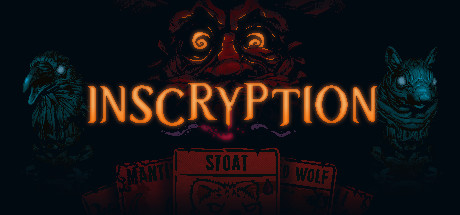
Inscryption adalah horor kartu Daniel Mullins tentang terjebak di meja kabin memainkan hidup Anda. Babak pertama adalah pembangun geladak roguelike dengan matematika pengorbanan dan permohonan; babak kemudian beralih ke mode permainan berbeda yang menyelamatkan framing. Kampanye memberi penghargaan untuk satu penyelesaian putar daripada ulang putar tak terbatas.
Di mana hal ini jatuh pendek: Itu adalah permainan cerita terlebih dahulu; pembangun geladak adalah salah satu dari tiga mode. Setelah Anda melihat penolakan, pemutaran ulang kehilangan beberapa kekuatan. Kaycee’s Mod (DLC gratis) mengatasi ini dengan lari roguelike.
Harga:
- Gratis: tidak
- Berbayar: $19.99, secara teratur $7 saat diskon; Kaycee’s Mod gratis
- vs Balatro: lebih banyak narasi, lebih sedikit lari, lebih keras untuk spoiler dengan aman
Migrasi dari Balatro: Jalankan Kaycee’s Mod terlebih dahulu jika Anda menginginkan loop roguelike; itu adalah bentuk paling bebas dari ketiga babak. Bermain buta sebaliknya. Jangan cari pengungkapan babak dua.
Unduh: Inscryption di Steam
Garis bawah: Pilih ini ketika Anda ingin pembangun geladak yang dua kali lipat sebagai salah satu permainan horor terbaik lima tahun terakhir.
Luck be a Landlord — Slot terbaik sebagai pembangun geladak
Luck be a Landlord adalah roguelike di mana Anda membangun mesin slot untuk membayar sewa Anda. Simbol menumpuk, berkembang biak, saling menghancurkan, dan membentuk sinergi yang menyerupai matematika joker Balatro lebih langsung daripada apa pun di daftar ini. Lari pendek, umpan balik pembangun mesin instan.
Di mana hal ini jatuh pendek: Ini masih dalam pengembangan aktif; beberapa simbol diseimbangkan ulang setiap patch. Seni sengaja miskin. Perlombaan awal untuk menemukan sinergi kunci dapat ditarik.
Harga:
- Gratis: demo
- Berbayar: basis $9.99, $7.99 saat diskon
- vs Balatro: matematika lebih dekat, lebih murah, UI kurang dipoles
Migrasi dari Balatro: Bangun di sekitar satu keluarga simbol awal dan kejar simbol esensialnya. Jangan tidur di pengatur waktu sewa; itu setara dengan eskalasi buta Balatro.
Unduh: Luck be a Landlord di Steam
Garis bawah: Pilih ini ketika Anda ingin saudara mekanik terdekat dengan Balatro di bawah $10.
Dicey Dungeons — Pembangun geladak bergulir dadu terbaik
Dicey Dungeons menukar kartu untuk dadu. Enam karakter dengan mekanik yang sama sekali berbeda (prajurit, pencuri, robot, penyihir, badut, penemu) menjalankan ruang bawah tanah prosedural menempatkan dadu ke dalam slot kartu yang tembak saat diisi. Struktur “set aturan berbeda per karakter” membuat satu permainan 30 jam terasa seperti enam permainan.
Di mana hal ini jatuh pendek: Beberapa set aturan karakter jelas lebih lemah dari yang lain (melihat Anda, robot). Cerita antara lari minimal. Kontrol Steam Deck terasa sempit.
Harga:
- Gratis: tidak
- Berbayar: basis $14.99, sering $5 saat diskon; DLC Reunion menambahkan karakter ketujuh
- vs Balatro: lebih banyak variasi peran, lebih sedikit matematika penumpukan
Migrasi dari Balatro: Mulai dengan Warrior untuk build sinergi paling bersih. Simpan Inventor untuk terakhir; itu mengkabel ulang loop dasar.
Unduh: Dicey Dungeons di Steam
Garis bawah: Pilih ini ketika Anda ingin dorongan pembangun mesin yang sama dengan dadu bukan kartu.
Backpack Hero — Pembangun inventaris terbaik
Backpack Hero adalah roguelike manajemen inventaris di mana senjata, baju besi, dan konsumabel berinteraksi berdasarkan di mana mereka duduk di tas Anda. Loop puzzle-kemudian-pertarungan menghasilkan tinggi gaya Balatro tentang “menumpuk hal yang tepat bersama-sama” dari set kata kerja yang sama sekali berbeda. Enam kelas, enam tas.
Di mana hal ini jatuh pendek: Penyusunan ulang inventaris dapat menjadi canggung di Deck. Gaya seni dapat diperdebatkan. Beberapa kelas mencapai dinding kesulitan pada lantai yang lebih baru yang memerlukan pengetahuan meta.
Harga:
- Gratis: demo
- Berbayar: basis $19.99, $13.99 saat diskon
- vs Balatro: kata kerja berbeda, kegembiraan puzzle yang sama
Migrasi dari Balatro: Coba kelas Purse untuk lari paling mirip Balatro; item di sana benar-benar menghasilkan emas berdasarkan keantisipasi. Baca teks sinergi item dengan hati-hati.
Unduh: Backpack Hero di Steam
Garis bawah: Pilih ini ketika Anda telah menghafal setiap joker Balatro dan menginginkan teka-teki inventaris segar.
Cobalt Core — Pertarungan kartu berbasis skuad terbaik
Cobalt Core adalah pembangun geladak roguelike di mana tiga pilot berbagi kapal, dan kartu mereka menggabungkan untuk menenun satu tangan setiap putaran. Posisi penting — Anda dapat menggeser kapal kiri dan kanan untuk menghindari serangan masuk — dan dinamika pihak tiga karakter menambahkan dimensi build yang tidak Balatro miliki.
Di mana hal ini jatuh pendek: Kedalaman konten lebih pendek daripada Slay the Spire. Beberapa pasangan karakter jelas lebih kuat dari yang lain. Visualisasi kapal 2D dapat terasa sibuk di layar kecil.
Harga:
- Gratis: demo
- Berbayar: basis $19.99, $14.99 saat diskon
- vs Balatro: lebih banyak karakter, posisi berfokus pada penghindaran, plafon lebih pendek
Migrasi dari Balatro: Jalankan Riggs plus Drake terlebih dahulu; kartu mereka menumpuk menjadi mesin kerusakan dengan cepat. Simpan Issac setelah lusinan lari.
Unduh: Cobalt Core di Steam
Garis bawah: Pilih ini ketika Anda ingin pembangun geladak dengan sinergi skuad berlapis di atas kartu.
Cara memilih
Pilih Slay the Spire jika Anda entah bagaimana melewatkannya; itu masih pembangun geladak roguelike terdalam di PC. Pilih Monster Train ketika Anda menginginkan matematika posisional ekstra berlapis di atas mesin. Pilih Inscryption jika Anda menginginkan salah satu kampanye pemain tunggal paling berkesan dari dekade terakhir dengan pembangunan geladak di dalamnya. Pilih Luck be a Landlord untuk saudara joker-math terdekat dengan Balatro dengan harga sepertiga. Pilih Dicey Dungeons ketika Anda menginginkan enam set aturan segar untuk dipelajari. Pilih Backpack Hero ketika Anda menginginkan teka-teki inventaris bukan tangan. Pilih Cobalt Core ketika Anda menginginkan pihak kecil karakter yang geladaknya berpadu bersama.
Tinggal di Balatro jika Anda masih mengejar taruhan yang lebih tinggi; stiker dan segel pasca-1.0 memperkenalkan cukup konten baru sehingga sebagian besar pemain sebenarnya belum memecahkan permainan.
FAQ
Permainan apa yang paling mirip dengan Balatro?
Luck be a Landlord dan Slay the Spire adalah dua terdekat menurut reputasi. Luck be a Landlord berbagi perasaan pembangun mesin mesin slot Balatro hampir langsung. Slay the Spire adalah pembangun geladak roguelike fondasi genre yang mempengaruhi struktur lari Balatro.
Apakah Balatro ada di mobile?
Ya. Balatro ada di iOS dan Android dengan konten yang sama seperti versi desktop. Artikel ini mencakup alternatif desktop; pemain seluler harus memeriksa daftar Balatro mobile mandiri.
Apakah Slay the Spire lebih baik dari Balatro?
Mereka menyelesaikan keinginan yang berbeda. Slay the Spire lebih dalam dan lebih lama per lari dengan lebih banyak keragaman arketip geladak. Balatro lebih cepat, memiliki matematika yang lebih ketat, dan sistem taruhan-buta kurang bergesekan. Sebagian besar penggemar salah satu mencintai yang lain.
Berapa harga permainan gaya Balatro termurah?
Luck be a Landlord di basis $9.99 adalah yang termurah dengan mekanik yang sebanding. Dicey Dungeons dengan $14.99 adalah langkah berikutnya.
Apakah Balatro memiliki multipemain?
Tidak. Balatro adalah pemain tunggal saja, dan ketujuh alternatif di daftar ini juga. Card Survival dan beberapa judul lebih kecil bereksperimen dengan multipemain di genre, tetapi tidak ada yang mencapai kilauan Balatro.